

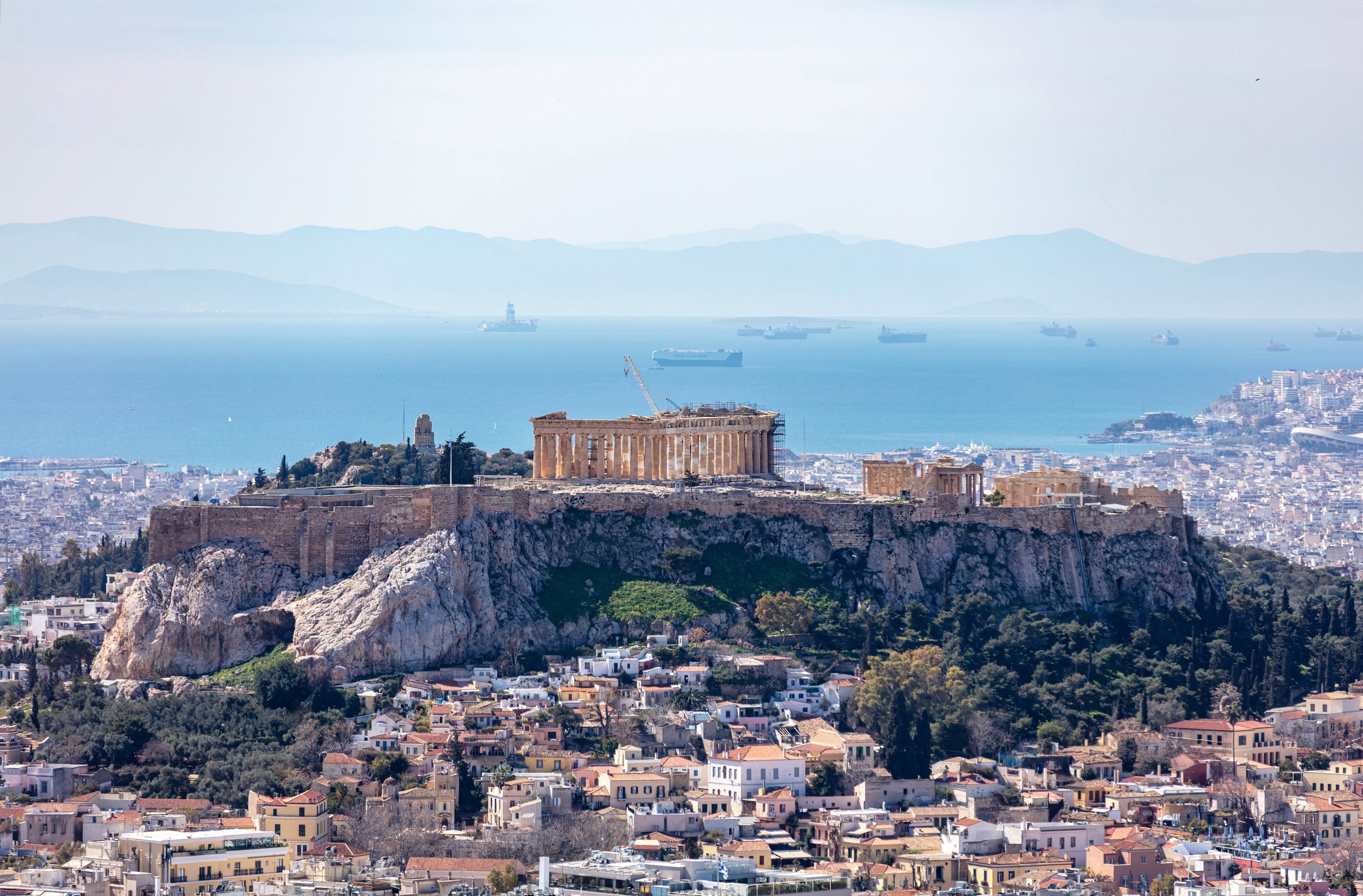
Greece
Ancient History • Island Escapes • Mediterranean Living
Last Updated: June 2026
Destination Overview
Best For
Couples • Honeymooners • Luxury Travelers • Cruise Travelers • Food & Wine Enthusiasts • Beach Lovers • History Buffs • Adventure Seekers • Families • Solo Travelers
Signature Experience
Watching the sun set over the Aegean after spending the day exploring ancient ruins, wandering whitewashed villages, and lingering over a waterfront dinner.
Cruise Friendly
Excellent. Greece is one of the Mediterranean’s premier cruise destinations with ports ranging from iconic islands to historic mainland cities.
Typical Budget
$$–$$$$
Recommended Stay
10–14 days (7 days minimum)
Best Time to Visit
April through June and September through October
Language
Greek (English is widely spoken in tourist areas.)
Destination Snapshot
There are few destinations that capture the imagination quite like Greece. The birthplace of democracy, Western philosophy, and the Olympic Games, it is a country where thousands of years of history coexist effortlessly with vibrant cafés, luxury resorts, bustling marinas, and lively waterfront tavernas. Whether you’re standing atop the Acropolis overlooking Athens or watching fishing boats return to a quiet harbor on a lesser-known island, Greece has a remarkable ability to make both grand moments and simple pleasures feel unforgettable.
Geographically, Greece is as diverse as it is beautiful. While many travelers picture whitewashed villages perched above sapphire seas, the country extends far beyond its famous islands. Mountain villages, dramatic gorges, fertile vineyards, medieval castles, olive groves, alpine forests, and more than 6,000 islands and islets create one of Europe’s most varied landscapes. Every region has its own traditions, cuisine, architecture, and rhythm of life, making it a destination that rewards repeat visits.
Perhaps Greece’s greatest strength isn’t its scenery or its history; it’s its people. The Greek tradition of philoxenia, often translated as “friendship toward strangers,” remains deeply woven into everyday life. Visitors are welcomed with genuine warmth, generous hospitality, and a pace of life that encourages lingering over meals, conversations, and spectacular views. Rather than simply checking famous landmarks off an itinerary, Greece invites travelers to slow down and experience the destination in a more meaningful way.
The Nifty Ducks Verdict
A Signature Nifty Ducks Destination
Greece earns Five Ducks because it delivers the kind of trip people dream about for years: ancient history, island sunsets, incredible food, charming villages, dramatic coastlines, and hotels that can make a vacation unforgettable.
It is romantic, scenic, layered, and wonderfully flexible. One trip might be Athens, Santorini, and Crete. Another might be Paros, Naxos, Milos, or a yacht-inspired island escape. Greece rewards thoughtful planning, which is exactly where we come in.
Why It Earns Five Ducks
🦆 Iconic history and ancient ruins
🦆 Beautiful islands with very different personalities
🦆 Incredible food, wine, and local hospitality
🦆 Perfect for honeymoons, couples, families, and milestone trips
🦆 Boutique hotels, luxury resorts, and stunning villa options
🦆 Easy to combine culture, beaches, sailing, and relaxation
🦆 A destination where smart planning makes a huge difference
Duck Rating: 🦆🦆🦆🦆🦆
Best For: Romance • Islands • History • Food & Wine • Honeymoons • Luxury • Sailing
Best Time to Visit: May–June and September–October
Recommended Trip Length: 8–14 Days
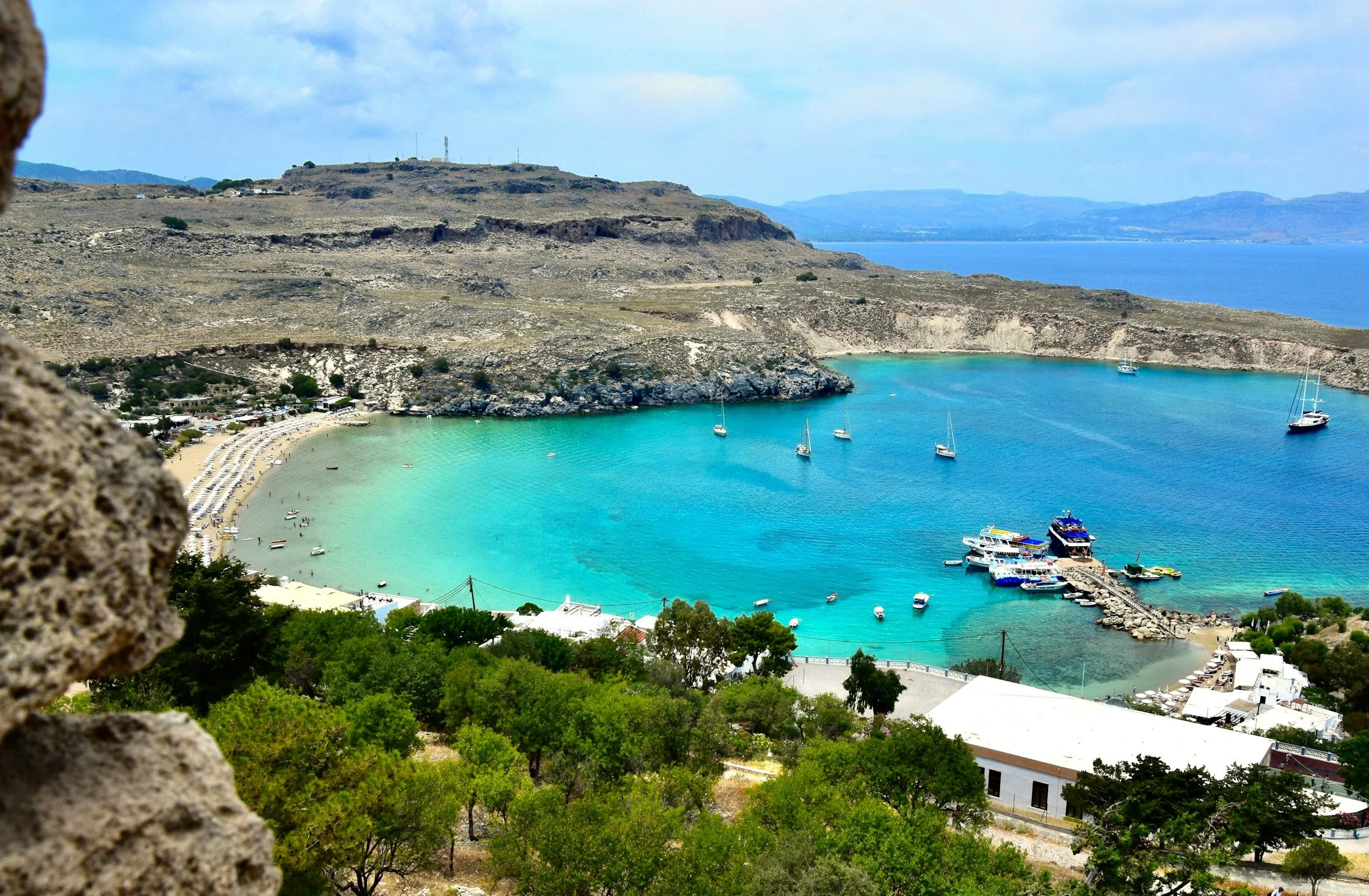
Why You’ll Love Greece
Every island and region offers its own unique character, traditions, and cuisine.
Ancient archaeological sites blend seamlessly with modern cities and villages.
Long lunches and sunset dinners become part of your daily routine.
Luxury hotels, boutique accommodations, and private villas provide exceptional hospitality.
Island hopping allows every itinerary to feel completely different.
Local cuisine celebrates fresh seafood, olive oil, cheeses, herbs, and regional wines.
Excellent ferry and domestic flight networks make exploring surprisingly easy.
History lovers can experience some of the world’s most significant archaeological sites.
Beautiful beaches range from lively beach clubs to secluded coves.
The warmth of Greek hospitality often becomes the most memorable part of the journey.
Is Greece Right for you?
Greece is ideal for travelers who appreciate experiences over schedules. It rewards curiosity, encourages slower travel, and offers remarkable variety within a relatively compact country. Whether you’re celebrating a honeymoon, planning a family vacation, embarking on a Mediterranean cruise, or simply looking to immerse yourself in history and culture, Greece adapts beautifully to a wide range of travel styles.
What surprises many first-time visitors is how different one region can feel from another. Mykonos delivers cosmopolitan nightlife and luxury beach clubs; Santorini specializes in romance and dramatic caldera views; Crete combines spectacular beaches with authentic villages and exceptional cuisine; while islands like Naxos and Paros offer a slower, more traditional pace. Even the mainland provides entirely different experiences, from the monasteries of Meteora to the vineyards of the Peloponnese. Choosing the right itinerary often matters more than choosing Greece itself.
Regions of Greece
-
Athens is one of the world’s oldest continuously inhabited cities and serves as the gateway to most journeys through Greece. Beyond the iconic Acropolis, visitors discover vibrant neighborhoods filled with rooftop restaurants, contemporary art galleries, lively markets, and some of the country’s best dining.
Neighborhoods like Plaka, Monastiraki, Psyrri, Kolonaki, and Koukaki each reveal different sides of the city, from ancient streets and boutique shopping to trendy cafés and nightlife. Athens is well worth two or three nights before heading to the islands.
Perfect For
First-time visitors
History enthusiasts
Food lovers
City explorers
Cruise embarkations
-
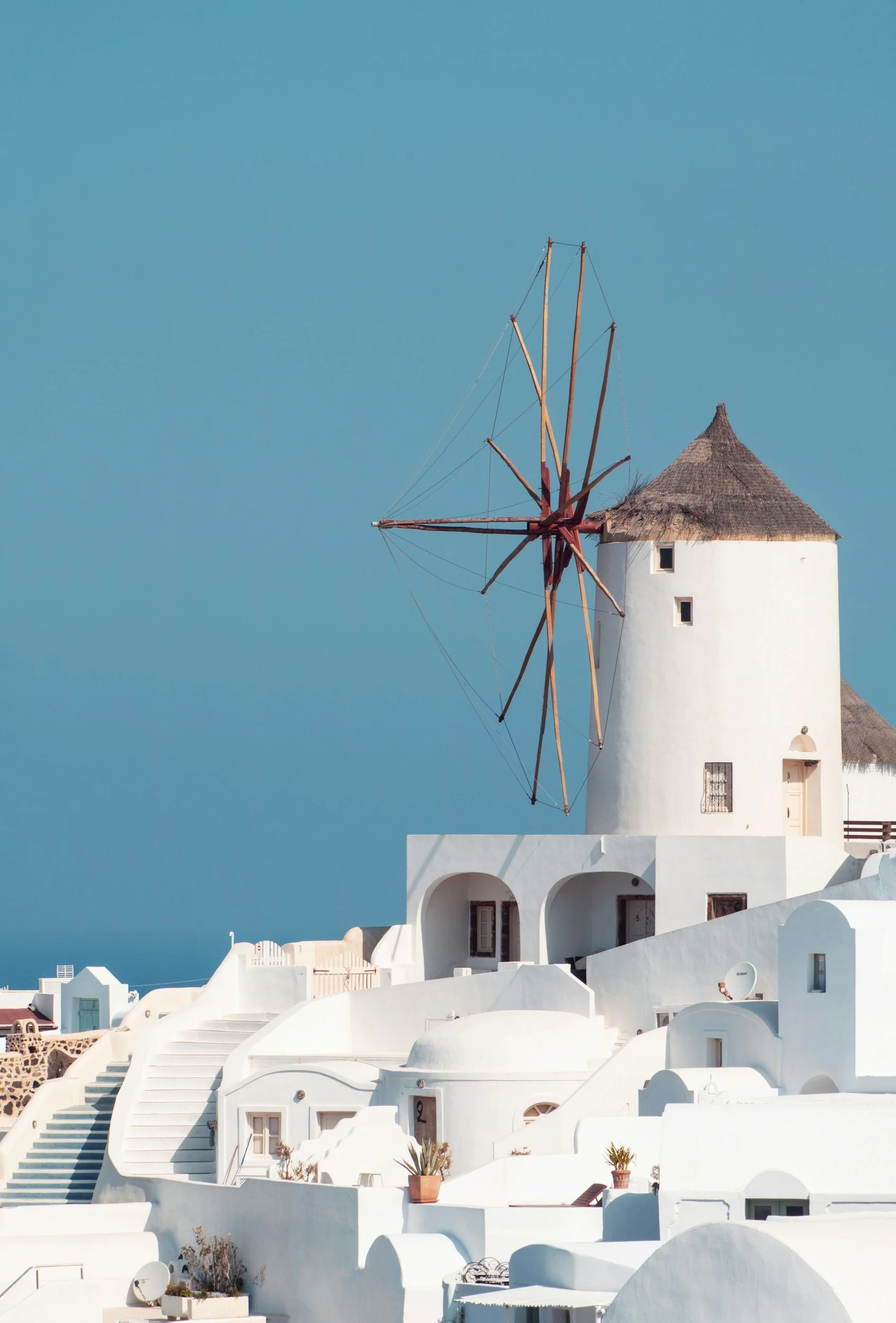
The Cyclades are Greece’s postcard-perfect islands, famous for whitewashed villages, blue-domed churches, and crystal-clear waters. Despite their shared architectural style, each island offers a distinctly different atmosphere.
Santorini
One of the world’s most recognizable destinations, Santorini is celebrated for dramatic volcanic cliffs, luxury cave hotels, fine dining, wineries, and unforgettable sunsets. It remains one of Europe’s premier honeymoon destinations.
Mykonos
Mykonos blends traditional Cycladic charm with an energetic international atmosphere. Beach clubs, designer boutiques, exceptional restaurants, luxury hotels, and one of Europe’s longest-established LGBTQ+ communities have made it one of the Mediterranean’s most iconic destinations.
Paros
Paros has emerged as a favorite among travelers seeking sophistication without the crowds of Mykonos. Charming villages, excellent beaches, and an increasingly impressive culinary scene make it an outstanding choice for couples and families alike.
Naxos
The largest island in the Cyclades offers authentic Greek culture alongside spectacular beaches. Mountain villages, ancient temples, hiking trails, and locally produced cheeses, olive oil, and citrus liqueurs give Naxos a distinctly local character.
Perfect For
Island hopping
Honeymoons
Luxury travel
Beach vacations
Photography
-
Crete is Greece’s largest island and feels like a destination all its own. Home to Europe’s oldest civilization, the Minoans, it combines ancient history with dramatic mountain ranges, pink-sand beaches, fertile valleys, and vibrant cities.
The island’s cuisine is widely considered among the healthiest and most flavorful in the Mediterranean, while destinations such as Chania, Rethymno, Elounda, and Heraklion each offer unique experiences. Renting a car allows travelers to discover charming villages, wineries, archaeological sites, and hidden beaches beyond the main tourist areas.
Perfect For
Food lovers
Families
Longer stays
Road trips
Outdoor adventures
-
Connected to mainland Greece by the Corinth Canal, the Peloponnese is rich in mythology, history, and natural beauty. Ancient Olympia, Mycenae, Epidaurus, and the fortified town of Monemvasia are just a few of its highlights.
Olive groves, vineyards, charming seaside towns, and fewer international tourists make this region ideal for travelers seeking a quieter side of Greece.
Perfect For
Archaeology
Wine tasting
Scenic road trips
Authentic local experiences
-
Northern Greece presents a very different landscape from the islands, with forested mountains, Byzantine heritage, lakes, and cosmopolitan cities like Thessaloniki. The monasteries of Meteora, perched atop towering rock formations, are among Greece’s most extraordinary sights.
The region also serves as a gateway to hiking, skiing, wine regions, and cultural traditions that differ from southern Greece.
Perfect For
Cultural travel
Nature lovers
Photography
History
Shoulder-season travel
-
Located along Greece’s western coast, the Ionian Islands—including Corfu, Kefalonia, Zakynthos, and Lefkada—offer lush green landscapes, Venetian architecture, and turquoise waters. Influenced by centuries of Venetian rule, these islands feel distinctly different from the Cyclades while maintaining the warmth and hospitality Greece is known for.
They are particularly popular with families, sailors, and travelers seeking beautiful beaches without the dramatic volcanic scenery of the Aegean islands.
Perfect For
Sailing
Family vacations
Beach holidays
Scenic drives
Perfect For:










“It takes a lifetime for someone to discover Greece, but it only takes an instant to fall in love with her.”
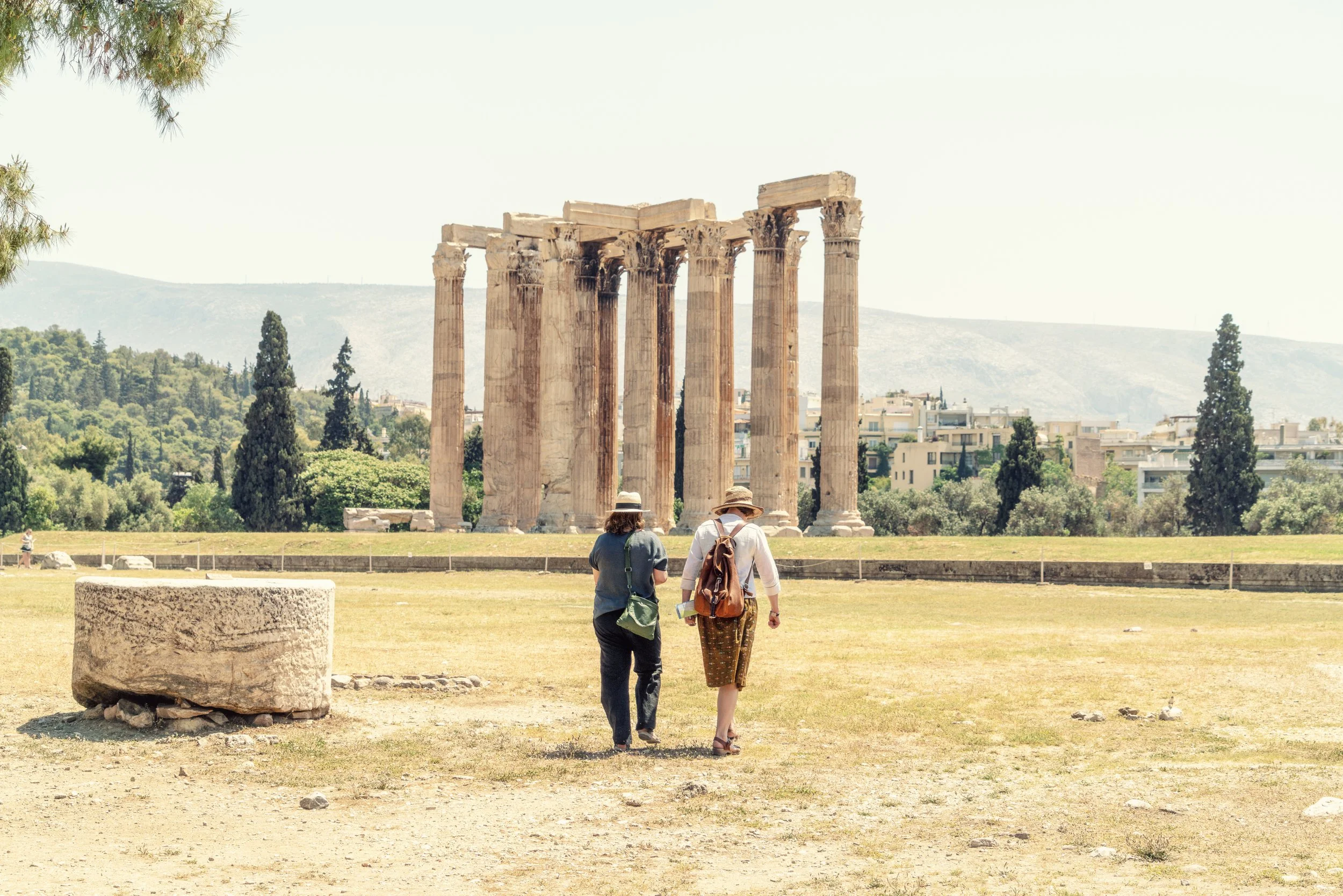
Traveling Well in Greece
One reason Greece remains one of Europe’s most popular destinations is that it welcomes an incredibly diverse range of travelers. Millions visit each year for its history, islands, cuisine, and hospitality, and the country’s tourism industry has evolved to accommodate families, luxury travelers, solo adventurers, cruise guests, and LGBTQ+ visitors alike.
Like any destination, however, the experience can vary depending on where you travel. Athens, Mykonos, Santorini, and many resort communities tend to be more internationally minded than smaller villages or remote rural areas. Understanding those differences allows travelers to explore Greece confidently while respecting local customs and enjoying everything the country has to offer.
LGBTQ+ Travelers 🌈
Greece has made significant progress toward LGBTQ+ equality in recent years and is widely regarded as one of the more welcoming destinations in southeastern Europe. In 2024, Greece became the first Orthodox Christian-majority country to legalize same-sex marriage, marking a historic milestone and reinforcing the country’s commitment to equal rights.
Visitors will generally find Athens, Mykonos, Santorini, and many luxury resorts to be welcoming and inclusive. Hotels, restaurants, cruise operators, and tourism professionals are accustomed to serving diverse international travelers, and same-sex couples rarely encounter issues when booking accommodations or participating in tours.
Outside major tourist destinations, social attitudes can become more traditional, particularly in smaller villages and remote islands where the influence of the Greek Orthodox Church remains strong. While outright hostility toward visitors is uncommon, couples may choose to exercise a little more discretion with public displays of affection in quieter communities—not because of legal concerns, but out of respect for local cultural norms.
For most travelers, Greece offers an experience where sexual orientation becomes far less important than simply enjoying the destination.
Legal Considerations
Greece recognizes same-sex marriage, including marriages performed abroad. Comprehensive anti-discrimination protections exist in employment and many areas of public life, and hate crimes motivated by sexual orientation or gender identity carry enhanced legal penalties.
While adoption rights continue to evolve under Greek law, these issues rarely affect short-term visitors. Couples traveling together generally experience the same access to hotels, transportation, restaurants, and tourism services as any other guests.
Legal Risk: 🟢 Low
Greece provides strong legal protections for LGBTQ+ visitors, making legal concerns unlikely during a typical vacation.
Community & Pride
Athens is home to Greece’s largest LGBTQ+ community, with a growing number of bars, cafés, cultural events, and organizations supporting both residents and visitors. Thessaloniki also hosts an annual Pride celebration and maintains an active community.
Mykonos has been one of Europe’s premier LGBTQ+ destinations for decades, attracting travelers from around the world with inclusive beach clubs, nightlife, luxury hotels, and special events throughout the summer.
Pride celebrations now take place in several cities, reflecting growing visibility and acceptance across the country.
Accessibility
Accessibility has improved significantly in recent years, particularly in Athens and larger tourist destinations. The Acropolis now includes an elevator for many visitors with mobility limitations, newer museums are designed with accessibility in mind, and many luxury hotels offer accessible guestrooms.
That said, Greece’s historic character presents unavoidable challenges. Cobblestone streets, uneven sidewalks, steep staircases, and centuries-old buildings can make navigating some neighborhoods difficult. Iconic destinations such as Santorini often involve numerous steps and hilly pathways, while ferry boarding procedures may vary depending on the port and vessel.
Travelers with mobility concerns should work with their travel advisor to select accommodations and transportation that best match their needs. Accessible rooms can be limited, particularly on smaller islands.
Family Travel
Greece is exceptionally family-friendly. Children are warmly welcomed in restaurants, cafés, and public spaces, and it’s common to see families dining together well into the evening.
Many beaches offer calm, shallow waters, and ferry travel between islands can be an enjoyable part of the adventure. Historic sites, mythology, outdoor activities, and hands-on cultural experiences make Greece an outstanding educational destination for children of all ages.
Families should keep in mind that many archaeological sites involve walking over uneven surfaces and can become extremely hot during summer afternoons. Planning sightseeing early in the day often leads to a much more enjoyable experience.
Solo Travelers
Greece is considered one of Europe’s more comfortable destinations for independent travelers. English is widely spoken in tourist areas, public transportation is straightforward, and organized excursions make it easy to meet fellow travelers.
Athens requires the same level of awareness expected in any major European capital, particularly around crowded transportation hubs and popular tourist sites, where pickpocketing occasionally occurs. On the islands, solo travelers often find a relaxed atmosphere and a welcoming local culture.
Women traveling alone generally report positive experiences throughout Greece, although normal travel precautions remain advisable, particularly when returning late at night.
Cultural Etiquette
Greeks are known for their warmth and hospitality, but visitors who make an effort to respect local customs are often rewarded with even friendlier interactions.
Dress modestly when visiting monasteries, churches, and religious sites. Shoulders and knees should generally be covered, and some monasteries provide wraps or skirts for visitors if needed.
Meals are meant to be enjoyed rather than rushed. Restaurant service may feel slower than visitors from North America expect, but this reflects the Greek approach to dining as a social experience rather than simply eating.
Learning a few Greek phrases such as Kaliméra (Good morning), Efharistó (Thank you), and Parakaló (Please/You’re welcome) is always appreciated.
Health & Safety
Greece consistently ranks among Europe’s safer travel destinations. Violent crime involving tourists is uncommon, and most visits are trouble-free.
The most common concerns involve petty theft in crowded areas, dehydration during the hot summer months, and injuries caused by uneven walking surfaces.
Tap water is safe to drink in Athens and much of mainland Greece, but on some islands bottled water is recommended due to mineral content or local infrastructure. Your hotel can easily advise which is preferred.
Emergency medical care is readily available in major cities and on larger islands, while smaller islands may have limited healthcare facilities that refer more serious cases to larger regional hospitals.
Comprehensive travel insurance that includes medical coverage and trip interruption protection is strongly recommended.
Before You Go
Verify that your passport will remain valid for at least six months beyond your planned travel dates.
Purchase comprehensive travel insurance before departure.
Notify your credit card companies of international travel plans if required.
Pack comfortable walking shoes suitable for uneven stone streets and archaeological sites.
Bring lightweight clothing while including modest attire for religious sites.
Reserve popular hotels and ferries well in advance for summer travel.
Consider extending your stay beyond Athens and the most famous islands to experience a broader side of Greece.
While You’re There
Stay hydrated, particularly during summer afternoons.
Carry small amounts of cash for village cafés, taxis, or smaller businesses.
Protect yourself from the Mediterranean sun with sunscreen and a hat.
Remain aware of your belongings in crowded tourist areas.
Take advantage of local recommendations—Greeks are often your best source for discovering exceptional restaurants and hidden beaches.
Allow extra travel time when using ferries, as weather can occasionally affect schedules.
Advisor Tips
Spend at least two nights in Athens instead of rushing directly to the islands.
Limit yourself to two or three islands during a typical 10-day itinerary to avoid spending too much vacation time in transit.
Visit popular archaeological sites early in the morning or late in the afternoon to avoid both crowds and heat.
Rent a car on larger islands like Crete or Naxos to experience villages and beaches beyond the main tourist areas.
Don’t judge Greek cuisine solely by tourist restaurants near major attractions—some of the best meals are found a few streets away.
Build flexibility into island-hopping itineraries, particularly when relying on ferries.
Choose accommodations based on the experience you want rather than simply the destination. A luxury resort in Crete offers a very different vacation than a boutique hotel in Santorini.
Take time to experience Greek café culture. Some of the most memorable moments happen while simply watching daily life unfold from a shaded terrace.
Consider visiting during the shoulder seasons of May, June, September, or early October for pleasant weather, smaller crowds, and excellent value.
Don’t try to see all of Greece in one trip. Greece rewards travelers who leave themselves a reason to return.
Inclusive Travel Summary
LGBTQ+ Travelers: 🟢 Welcoming in most tourist destinations with strong legal protections.
Accessibility: 🟡 Improving, though historic sites and island terrain can present challenges.
Family Travel: 🟢 One of Europe’s most family-friendly destinations.
Solo Travelers: 🟢 Comfortable and easy to navigate with standard travel precautions.
Overall: 🟢 Greece combines outstanding tourism infrastructure, genuine hospitality, and an increasingly inclusive environment, making it an excellent choice for a wide variety of travelers. While local customs may be more traditional in some rural communities, most visitors will find Greece to be welcoming, memorable, and easy to explore with thoughtful planning.
Cruise Traveler Notes
Few countries are better suited to cruising than Greece. With hundreds of inhabited islands, short sailing distances, and a rich maritime history, cruises provide an excellent introduction to the country. Many travelers discover Greece on a Mediterranean cruise before returning later for a longer land-based vacation.
If your itinerary allows, consider arriving one or two days before embarkation or extending your stay after disembarkation. Athens deserves far more than a quick overnight, and adding time before or after your cruise allows you to experience the city at a more relaxed pace.
While organized shore excursions offer convenience, many Greek ports are compact enough to explore independently with a little planning.
Major Cruise Ports
Piraeus (Athens)
The primary gateway to Athens and one of the busiest cruise ports in Europe. The Acropolis, Plaka, Monastiraki, and the Acropolis Museum are approximately 30–45 minutes away by taxi, metro, or organized excursion.
Santorini
Large cruise ships anchor offshore, and passengers tender into the Old Port below Fira. Visitors then ascend via cable car, taxi, or the famous staircase. During peak season, cable car lines can become lengthy, making early departures from the ship worthwhile.
Mykonos
Most cruise ships dock directly at the New Port, where shuttle buses transport passengers into Mykonos Town. The historic center is easily explored on foot.
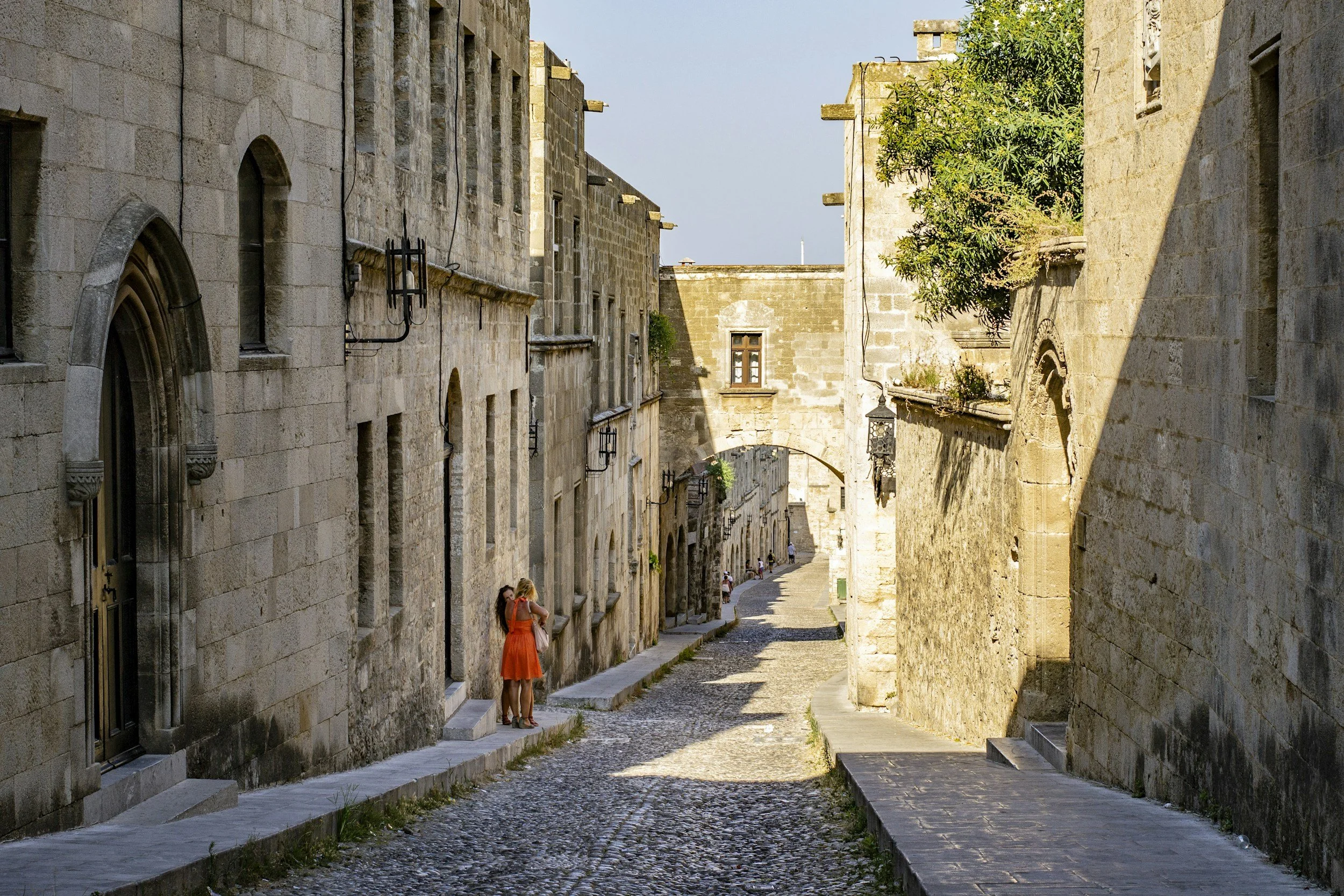
Rhodes
Cruise ships dock adjacent to the medieval Old Town, making this one of Greece’s most walkable ports.
Corfu
Ships dock a short distance from Corfu Town. Shuttle buses, taxis, and local buses provide easy access to the UNESCO-listed historic center.
Heraklion (Crete)
The gateway to the Palace of Knossos and the island’s capital. Independent exploration is straightforward, though organized tours make the most of limited port time.
Katakolon
The cruise gateway to Ancient Olympia. Organized excursions are highly recommended due to the distance from the archaeological site.
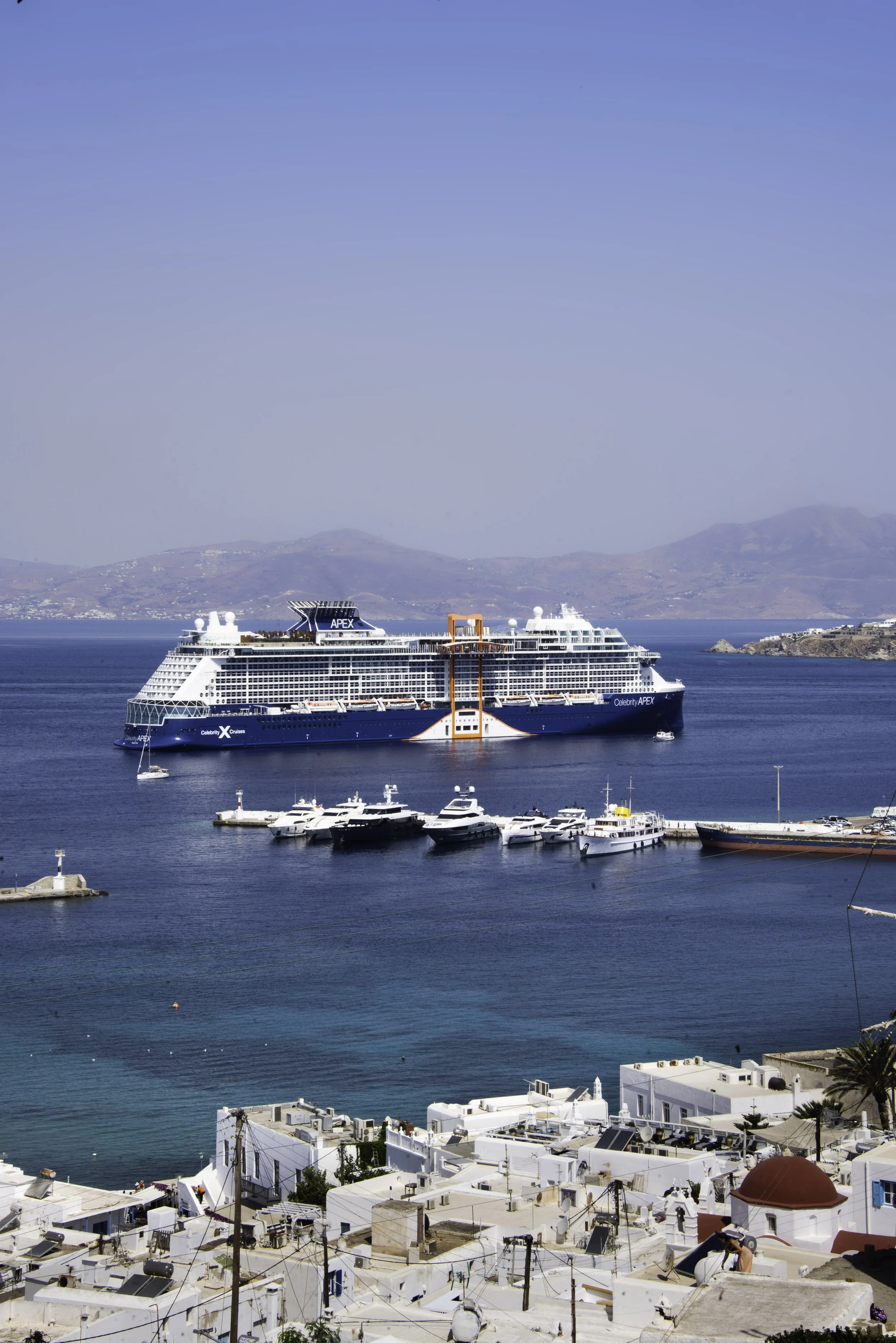
Cruise Tips
If you are planning your own adventure, disembark as early as you can in popular ports like Santorini to avoid crowds.
Wear comfortable shoes suitable for uneven stone streets.
Carry euros for cafés, taxis, bathrooms, and small purchases.
Stay hydrated during summer excursions.
Build in extra time when returning to the ship if exploring independently.
If Greece is your favorite port of call, consider returning for a dedicated land vacation—you’ll experience a completely different side of the country.
Where to Stay
-
Greece offers some of Europe’s finest luxury accommodations, ranging from cliffside suites overlooking volcanic calderas to secluded beachfront resorts and historic city hotels.
Expect exceptional hospitality, private pools, world-class spas, gourmet dining, and unforgettable views.
Recommended areas include:
Athens Riviera
Santorini (Oia and Imerovigli)
Elounda, Crete
Costa Navarino
Mykonos
Porto Heli
-
Boutique hotels thrive throughout Greece, particularly within restored historic buildings and family-owned properties.
Many offer fewer than 30 rooms, personalized service, locally inspired design, and excellent dining.
Excellent destinations include:
Nafplio
Chania
Paros
Naxos
Rhodes Old Town
Athens (Plaka and Koukaki)
-
For couples seeking tranquility, Greece offers numerous adults-only properties focused on romance and relaxation.
Popular choices feature:
Infinity pools
Spa experiences
Private plunge pools
Fine dining
Sunset terraces
Santorini, Mykonos, and Crete offer the greatest concentration of adults-only accommodations.
-
While Greece isn’t traditionally known for all-inclusive resorts as the Caribbean is, several exceptional options exist, particularly in Crete, Rhodes, Kos, and Corfu.
Many upscale all-inclusive resorts emphasize local cuisine, wellness, family activities, and beachfront settings rather than a party atmosphere.
-
Families will find excellent accommodations throughout Greece.
Crete, Rhodes, Corfu, Naxos, and Costa Navarino are especially well suited to family travel thanks to spacious resorts, calm beaches, children’s activities, and easy transportation.
Ed’s Note
One of the biggest mistakes I see travelers make is trying to fit too much into a single trip. Greece isn’t a destination to conquer; it’s a destination to experience.
Rather than racing between five islands in ten days, choose two or three destinations and allow yourself time to settle into the rhythm of each place. Some of the most memorable moments in Greece aren’t found on an itinerary; they happen over a leisurely lunch in a village square, during an unexpected conversation with a local shopkeeper, or while watching the sun disappear into the Aegean with nowhere else to be.
The Greece that travelers remember most is rarely the one they rushed through.
Luxury Travel Highlights
Luxury in Greece isn’t defined solely by five-star hotels—it’s about extraordinary experiences.
Private Yacht Charters
Spend a day—or an entire week—exploring secluded beaches, hidden coves, and picturesque villages inaccessible by larger vessels.
Exclusive Wine Experiences
Discover Santorini’s volcanic vineyards, the wineries of Nemea, or family-owned estates in Crete through private tastings and vineyard tours.
Michelin-Starred Dining
Athens has become one of Europe’s most exciting culinary capitals, while several island restaurants pair exceptional cuisine with breathtaking waterfront settings.
Private Archaeological Tours
Explore the Acropolis, Delphi, Knossos, or Ancient Olympia alongside expert guides who bring thousands of years of history to life.
Luxury Villas
Private villas have become one of Greece’s premier accommodation styles, particularly for families, celebrations, and groups seeking space, privacy, and personalized service.
Wellness Retreats
Spa resorts overlooking the Aegean Sea combine Mediterranean wellness traditions with modern luxury, offering everything from thermal therapies to yoga and holistic treatments.
Don’t Miss
-
Navagio Beach (Zakynthos)
Elafonissi Beach (Crete)
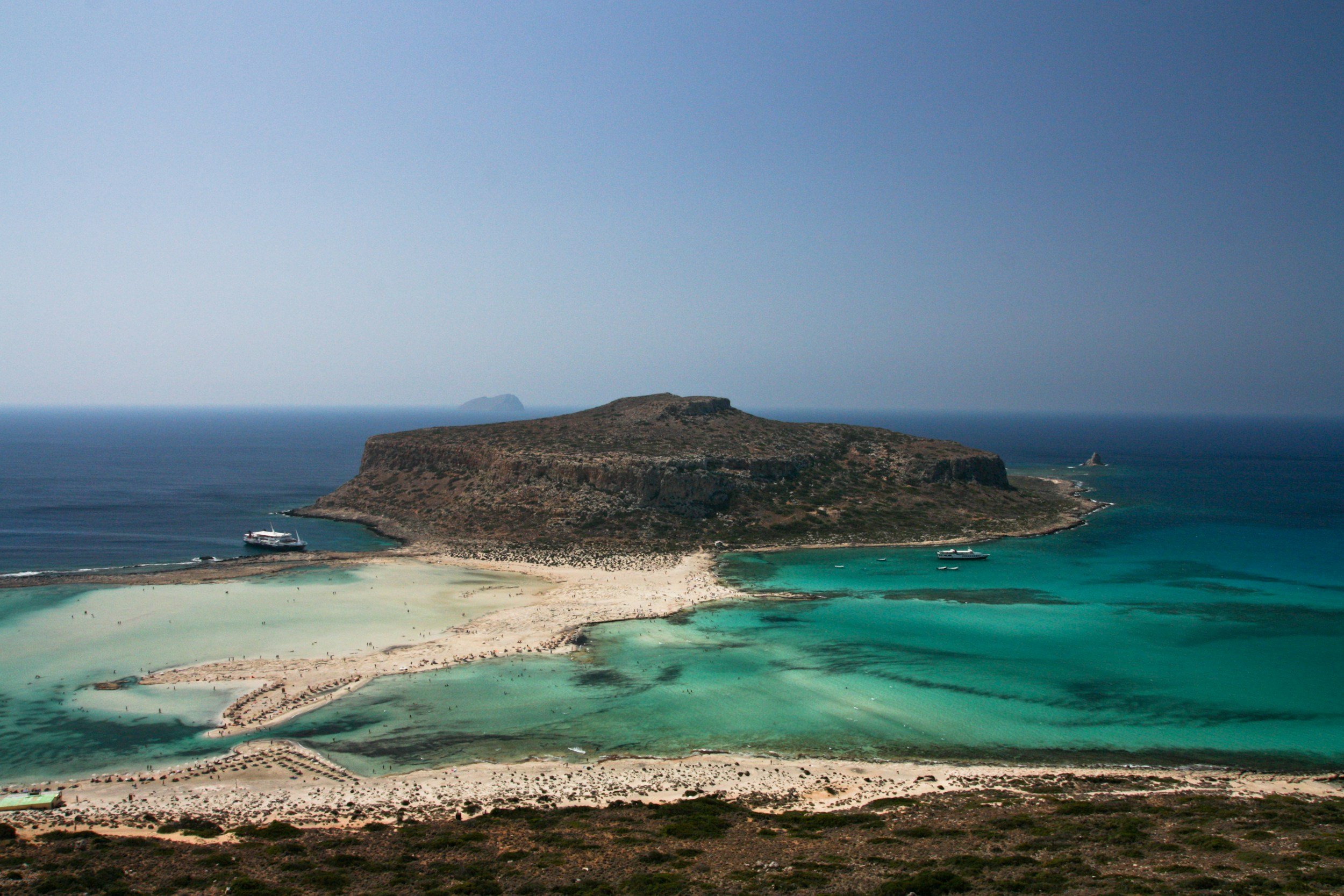
Balos Lagoon (Crete)
Sarakiniko (Milos)
Myrtos Beach (Kefalonia)
Super Paradise Beach (Mykonos)
-
Fresh seafood at a seaside taverna
Traditional Greek meze
Local olive oils
Santorini wines
Cretan cuisine
Handmade pastries and desserts
Greek coffee culture
-
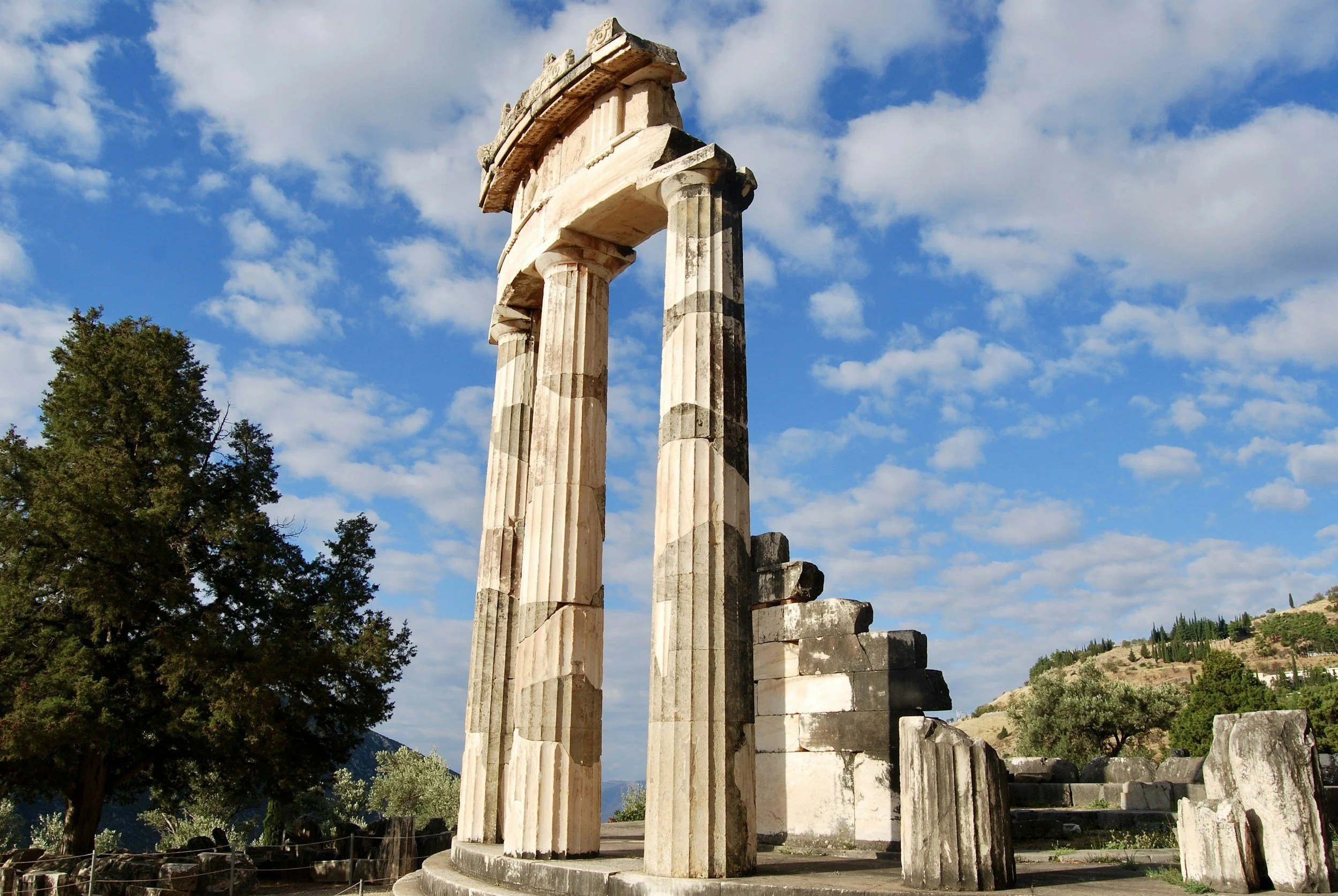
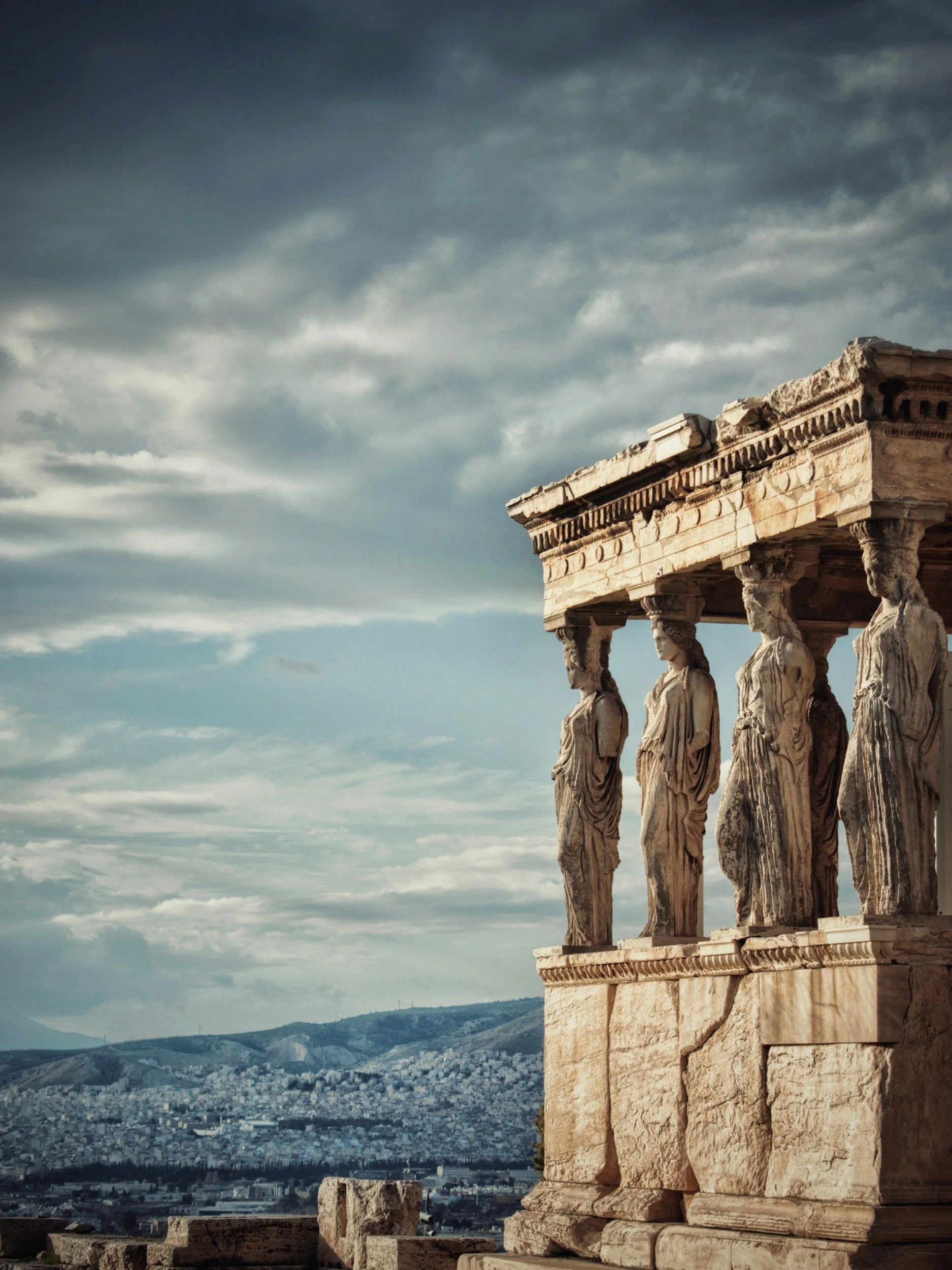
Acropolis of Athens
Delphi
Ancient Olympia
Palace of Knossos
Epidaurus
Mycenae
Meteora
-
Sunset in Oia
Traditional village festivals
Greek music performances
Local markets
Byzantine monasteries
Island café culture
-
Samaria Gorge
Mount Olympus
Vikos Gorge
Meteora
Prespa Lakes
-
Crete’s mountain villages
Peloponnese wine country
Corfu coastline
Mani Peninsula
Zagori villages
-
Ermou Street (Athens)
Plaka boutiques
Mykonos Town
Handmade ceramics
Olive wood products
Local jewelry
Artisan foods
-
Sailing
Sea kayaking
Scuba diving
Hiking the Samaria Gorge
Cycling
Rock climbing
Windsurfing
-
Mykonos beach clubs
Athens rooftop bars
Thessaloniki waterfront
Live music tavernas
Cocktail lounges overlooking the caldera
-
Syros
Tinos
Folegandros
Mani Peninsula
Zagorochoria
Monemvasia
Astypalea
Best Time to Visit
Greece is a year-round destination, but the best time to visit depends on the type of experience you’re looking for. From wildflower-covered hillsides in spring to lively island nightlife in summer and peaceful archaeological sites in autumn, each season offers its own advantages.
-
Spring is one of the finest times to visit Greece. Temperatures are comfortably warm, landscapes are lush with wildflowers, and archaeological sites are far less crowded than during peak summer.
Island ferry schedules begin increasing, outdoor cafés come alive, and swimming becomes pleasant by late May.
Best For
First-time visitors
Sightseeing
Hiking
Photography
Food & wine travel
Cruise vacations
-
Summer is Greece at its liveliest. Beach clubs are in full swing, festivals fill village squares, and ferries connect nearly every inhabited island.
It’s also the hottest and busiest season. Popular destinations like Santorini and Mykonos can be crowded, and advance reservations for hotels, ferries, and restaurants are essential.
Best For
Beach vacations
Island hopping
Nightlife
Family travel
Luxury travel
-
Many experienced travelers consider early autumn the ideal time to visit Greece. Sea temperatures remain warm after the summer heat, crowds begin to diminish, and hotels often become more affordable.
Harvest season also brings wine festivals, olive harvests, and exceptional local cuisine.
Best For
Couples
Honeymooners
Luxury travel
Photography
Food lovers
-
While many island resorts close for the season, Greece remains an excellent destination for exploring Athens, Thessaloniki, Delphi, Meteora, and mountain villages.
Winter offers a more authentic glimpse into daily Greek life, lower hotel rates, and far fewer visitors at major historical sites.
Best For
History enthusiasts
Cultural travel
City breaks
Budget-conscious travelers
-
Throughout the year, Greece hosts festivals celebrating religion, music, food, wine, and local traditions.
Highlights include:
Greek Orthodox Easter (the country’s most important celebration)
Athens & Epidaurus Festival
Thessaloniki International Film Festival
Mykonos summer events
Athens Pride
Thessaloniki Pride
Numerous local wine and harvest festivals
If you’re visiting during Easter, expect unique traditions, candlelit processions, fireworks, and festive meals—but also larger domestic crowds and limited business hours around the holiday.
Getting There
Greece is well connected to North America, Europe, and the Middle East, making it one of the easiest Mediterranean destinations to reach.
-
Most international visitors arrive through Athens International Airport (ATH), the country’s largest airport and primary gateway.
Other international airports include:
Thessaloniki (SKG)
Heraklion (HER)
Chania (CHQ)
Santorini (JTR)
Mykonos (JMK)
Rhodes (RHO)
Corfu (CFU)
Many seasonal nonstop flights operate from major North American cities during the summer months, while year-round service is available through European hubs such as London, Paris, Frankfurt, Amsterdam, Zurich, Rome, and Istanbul.
-
Domestic airlines make traveling between Athens and the islands quick and convenient, particularly for longer distances where ferries would require several hours.
Flying is often the best option when combining Athens with Crete, Rhodes, or more remote islands.
-
Greece’s ferry network is one of the largest in Europe and remains an essential part of island travel.
Modern high-speed ferries connect many islands in the Cyclades, Dodecanese, Ionian Islands, and Sporades, while traditional ferries provide slower but often more scenic journeys.
During the busy summer season, advance reservations are strongly recommended.
-
Rental cars are ideal for exploring mainland Greece, Crete, the Peloponnese, and larger islands such as Naxos or Corfu.
Driving in central Athens is generally not recommended due to traffic and limited parking, but outside the capital, roads are well maintained and offer spectacular scenery.
-
Rail travel is limited compared to many European countries and generally plays a smaller role in tourism. Most visitors rely on domestic flights, ferries, buses, or rental cars.
Good to Know
Capital
Athens
Population
Approximately 10.4 million
Official Language
Greek
Currency
Euro (€)
Time Zone
Eastern European Time (UTC +2)
Eastern European Summer Time (UTC +3)
Driving
On the right-hand side of the road.
Electrical Outlets
Type C and Type F plugs (230V)
Tap Water
Generally safe to drink in Athens and on much of the mainland. On some islands, bottled water is recommended due to mineral content or local infrastructure.
Emergency Number
112
Visa Requirements (U.S. Citizens)
U.S. citizens may visit Greece and other countries within the Schengen Area for up to 90 days within a 180-day period without a visa for tourism.
Worth Knowing
-
Tipping is appreciated but generally modest. Rounding up the bill or leaving 5–10% for excellent restaurant service is customary. Taxi drivers and hotel staff also appreciate small tips for exceptional service.
-
Credit cards are widely accepted throughout Greece, particularly in cities and tourist destinations. However, carrying some cash is useful when visiting smaller villages, local markets, beach cafés, or family-run tavernas.
-
Casual resort attire is acceptable in most tourist areas, but modest clothing should be worn when visiting churches, monasteries, and religious sites. Covering shoulders and knees is recommended.
-
Meals are meant to be enjoyed rather than rushed. Service may seem slower than visitors from North America are accustomed to, but this reflects the Greek tradition of treating dining as a social experience.
-
Smoking remains more common than in many other European countries, particularly in outdoor cafés and terraces.
-
In many parts of Greece, particularly on the islands, toilet paper should be placed in the provided waste bin rather than flushed. While this may seem unusual to first-time visitors, it’s common practice due to older plumbing systems.
-
Weather, particularly strong seasonal winds known as the Meltemi, can occasionally delay ferry services during summer. If traveling between islands before an international flight home, consider spending your final night in Athens.
-
Many of Greece’s most popular destinations experience heavy tourism during the summer months. Traveling during the shoulder seasons, supporting locally owned businesses, reducing single-use plastics, and respecting archaeological sites all help preserve these remarkable places for future generations.
🦆 The Nifty Ducks Take
Greece is one of my favorite destinations to recommend because no two trips ever look exactly the same. Whether someone is planning a honeymoon, celebrating a milestone birthday, taking a Mediterranean cruise, or finally checking the Acropolis off their bucket list, Greece has an incredible way of matching the trip to the traveler.
One of the biggest pieces of advice I give my clients is not to try to “see all of Greece” in one vacation. The country deserves to be experienced, not rushed. I’d rather see you spend meaningful time exploring Athens and two islands than race through five destinations just to say you’ve been there. Some of the best memories come from the unplanned moments—a long lunch overlooking the sea, discovering a quiet village, or finding a beach you hadn’t read about in any guidebook.
If you’re visiting Greece for the first time, I usually recommend combining Athens with one or two islands that fit your travel style. Santorini is perfect for romance and unforgettable scenery. Mykonos shines for luxury, beaches, and nightlife. Crete rewards travelers who love food, history, and road trips. Paros and Naxos offer a slower, more authentic island experience. There isn’t one “best” Greece itinerary—there’s simply the one that’s best for you.
After helping clients plan Greek vacations and experiencing the country myself, I’ve come to appreciate that Greece isn’t just about ancient ruins or beautiful beaches. It’s about hospitality, shared meals, and slowing down enough to enjoy where you are. That’s what keeps people coming back—and it’s why I suspect your first visit won’t be your last..
Sources
This guide was researched and reviewed using information from the following organizations and official resources:
U.S. Department of State — Greece Travel Advisory
UK Foreign, Commonwealth & Development Office — Greece Travel Advice
Government of Canada — Travel Advice and Advisories: Greece
Australian Smartraveller — Greece
Equaldex — Greece
ILGA World
Human Dignity Trust
Greek National Tourism Organisation (Visit Greece)
Hellenic Ministry of Tourism
European Commission — Your Europe Travel Information
Recent reporting from reputable international and Greek news organizations regarding tourism, transportation, and legal developments.