

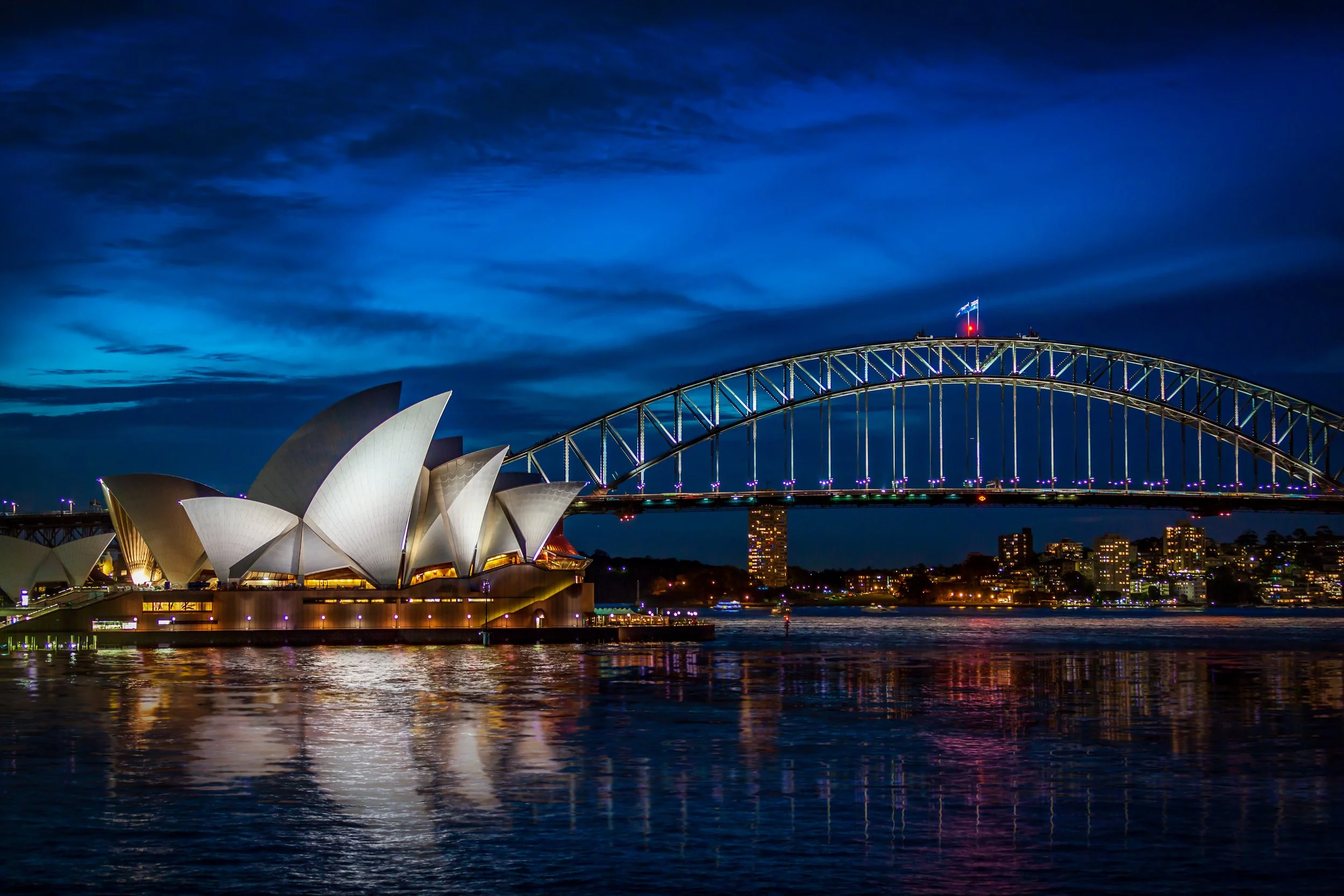
Australia
Big Adventures, Iconic Landscapes & Unforgettable Moments
From the vibrant harbors of Sydney and Melbourne’s café culture to the ancient landscapes of the Outback and the crystal-clear waters of the Great Barrier Reef, Australia offers experiences unlike anywhere else on earth.
Whether you’re dreaming of a luxury rail journey across the continent, snorkeling among colorful coral reefs, sipping wine in world-class vineyards, or spotting kangaroos and koalas in the wild, Australia delivers a remarkable blend of adventure, relaxation, and natural beauty.
With friendly locals, diverse landscapes, exceptional food and wine, and experiences ranging from cosmopolitan cities to remote wilderness, Australia is a destination that rewards every kind of traveler.
Australia’s Diverse Regions
-
Capital: Sydney
Australia’s most visited state is home to the iconic Sydney Opera House, Sydney Harbour Bridge, the Blue Mountains, world-famous beaches, and charming coastal towns.
Perfect for:
• First-time visitors
• City lovers
• Beach enthusiasts
• Coastal road trips -
Capital: Brisbane
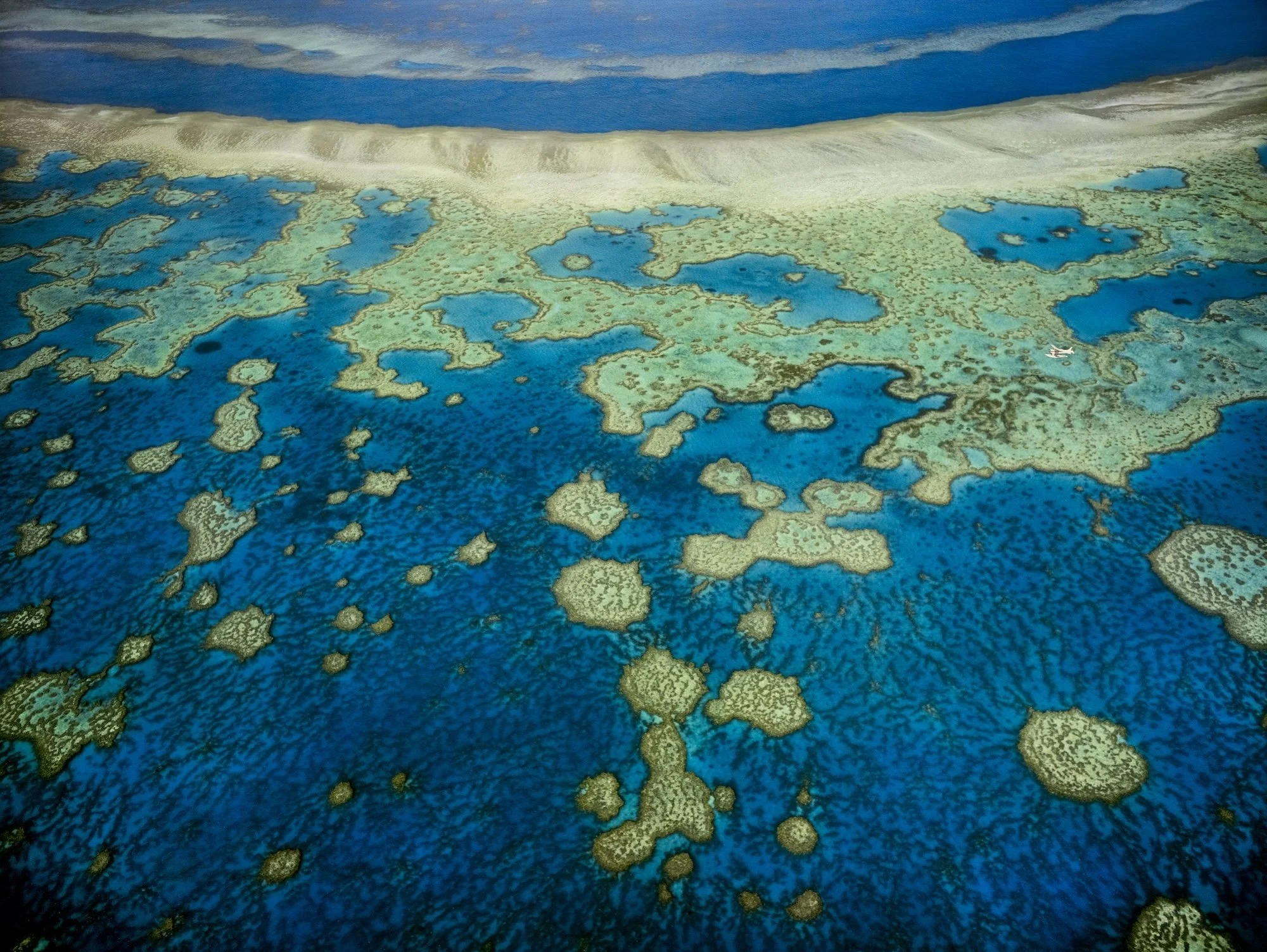
Queensland is Australia’s tropical playground, home to the Great Barrier Reef, the Whitsunday Islands, ancient rainforests, and sunshine nearly year-round.
Perfect for:
• Snorkelers and divers
• Families
• Beach lovers
• Nature enthusiasts -
Capital: Melbourne
Known as Australia’s cultural capital, Victoria blends vibrant arts, exceptional dining, boutique shopping, renowned wine regions, and the spectacular Great Ocean Road.
Perfect for:
• Food and wine lovers
• Arts and culture enthusiasts
• Couples
• Scenic drives -
Capital: Adelaide
From the vineyards of the Barossa Valley to the wildlife of Kangaroo Island and the dramatic Flinders Ranges, South Australia offers a relaxed pace with remarkable natural beauty.
Perfect for:
• Wine enthusiasts
• Wildlife lovers
• Luxury travelers
• Road trip explorers -
Capital: Perth
Often overlooked by first-time visitors, Western Australia rewards travelers with turquoise beaches, world-class wineries, unique marine life, and some of the country’s most remote landscapes.
Perfect for:
• Adventure seekers
• Luxury escapes
• Nature lovers
• Repeat visitors -
Capital: Hobart
Australia’s island state combines rugged wilderness, fascinating history, exceptional food and wine, and some of the country’s most pristine national parks.
Perfect for:
• Foodies
• Hikers
• Wildlife enthusiasts
• Couples -
Capital: Darwin
The Northern Territory is home to Australia’s spiritual heart. Discover Uluru, Kings Canyon, Kakadu National Park, and meaningful Aboriginal cultural experiences found nowhere else in the world.
Perfect for:
• Cultural explorers
• Adventure travelers
• Photographers
• Bucket-list trips -
Capital: Canberra
Australia’s capital offers outstanding museums, galleries, memorials, and national institutions, making it an ideal destination for travelers interested in the country’s history, politics, and culture.
Perfect for:
• History enthusiasts
• Museum lovers
• Families
• Short city stays
Ed’s Note
Australia is nearly the size of the continental United States, and every region offers its own distinct personality. One journey might include cosmopolitan cities, tropical rainforests, world-famous wine regions, pristine beaches, and the ancient landscapes of the Outback. Understanding Australia’s regions is the first step toward creating an itinerary that’s perfectly suited to your travel style.

-
![Sydney Opera House and Harbour Bridge at sunset with colorful clouds in the sky]()
Sydney
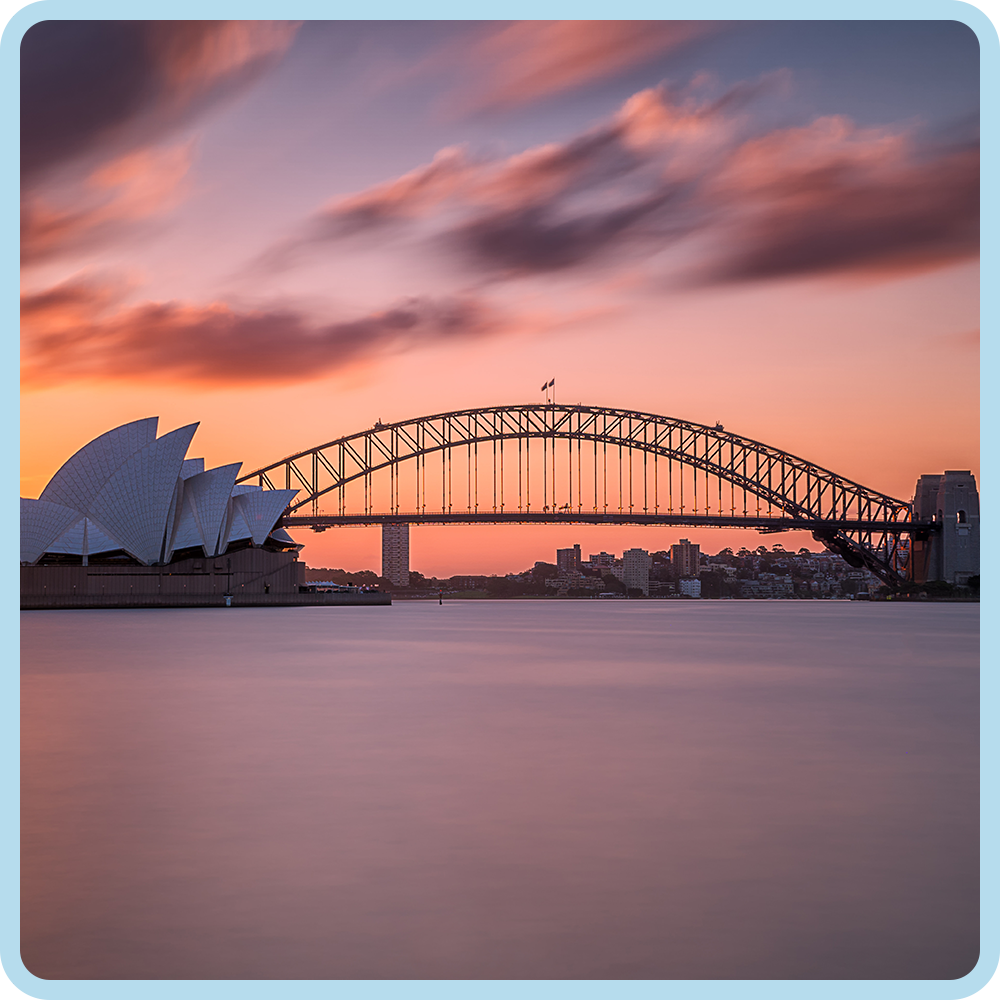
Australia’s iconic harbor city is home to the Sydney Opera House, Harbour Bridge, golden beaches, and one of the world’s most beautiful waterfronts. It’s where many unforgettable Australian journeys begin.
-
![Aerial view of a city skyline at sunset with tall skyscrapers, a river, bridges, and a mix of modern and historic buildings.]()
Melbourne
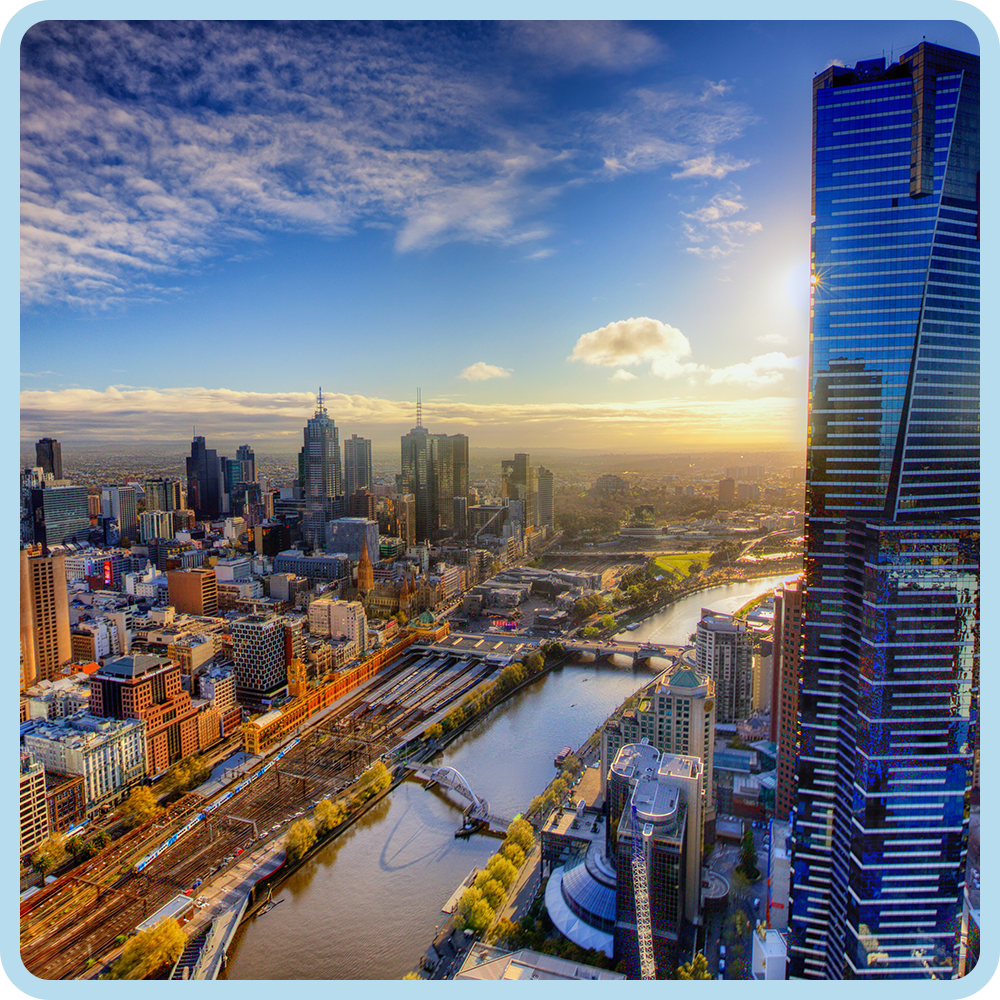
Creative, cosmopolitan, and endlessly walkable, Melbourne is famous for its café culture, vibrant laneways, exceptional dining, and thriving arts scene. Every neighborhood has its own personality waiting to be discovered.
-
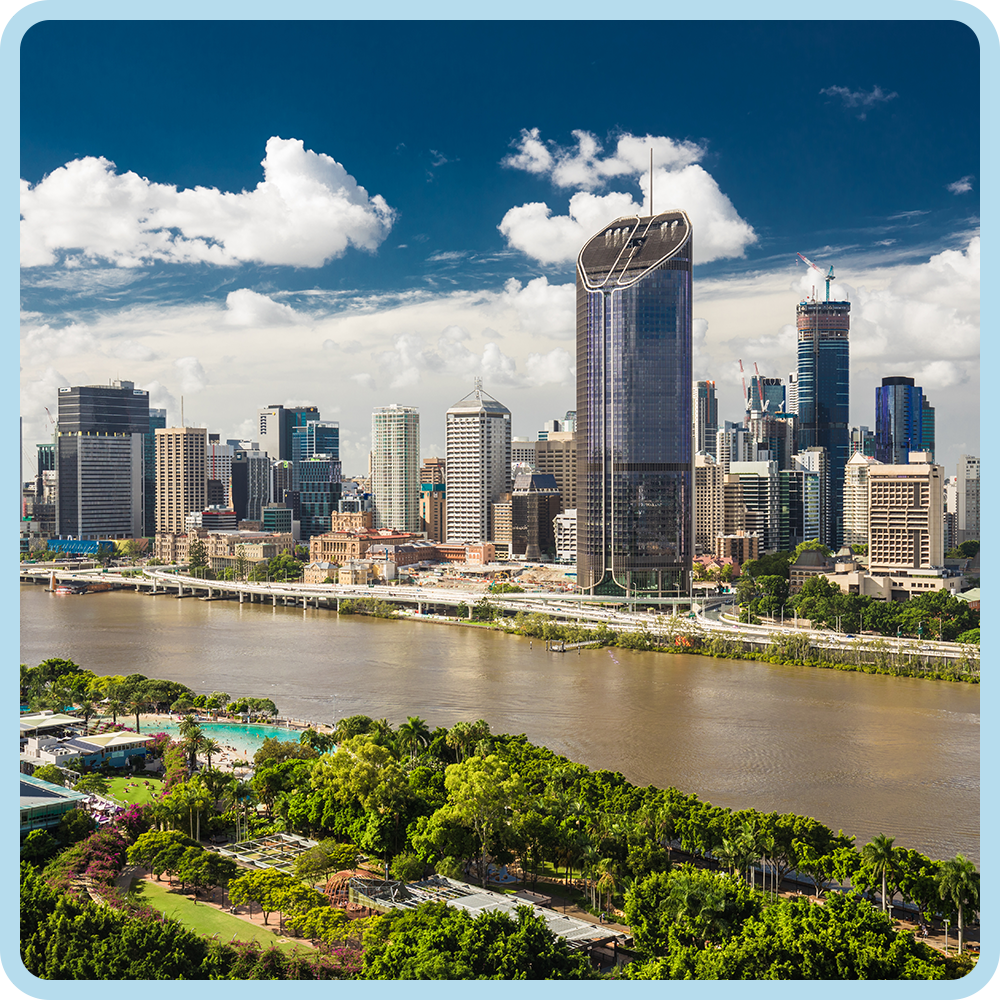
![Skyline of a modern city with tall skyscrapers, a river in the foreground, and a park with trees and a pool area.]()
Brisbane
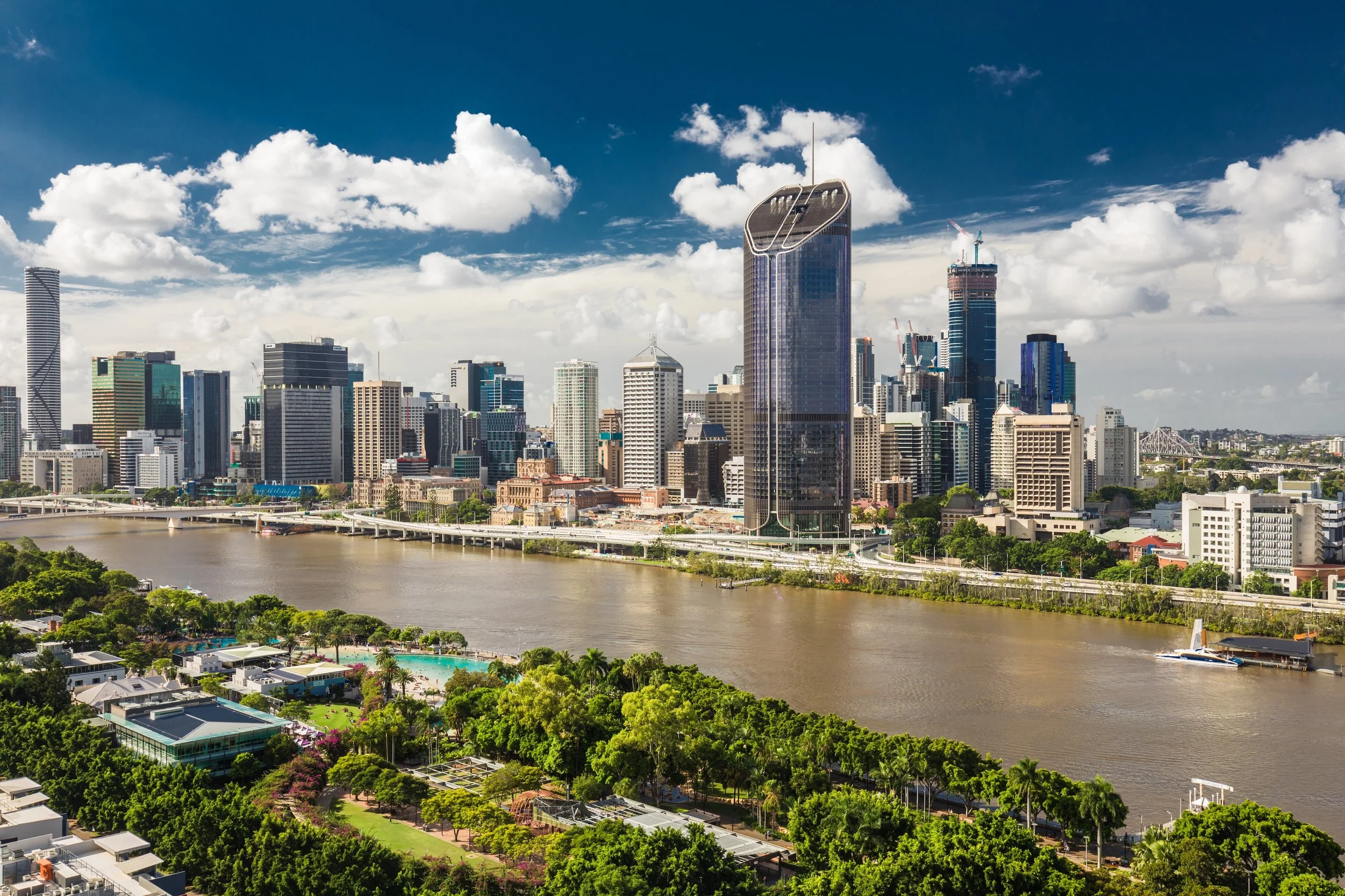
Sunny and relaxed, Brisbane blends riverside living with contemporary art, outdoor dining, and easy access to Queensland’s islands, rainforests, and the Great Barrier Reef.
-
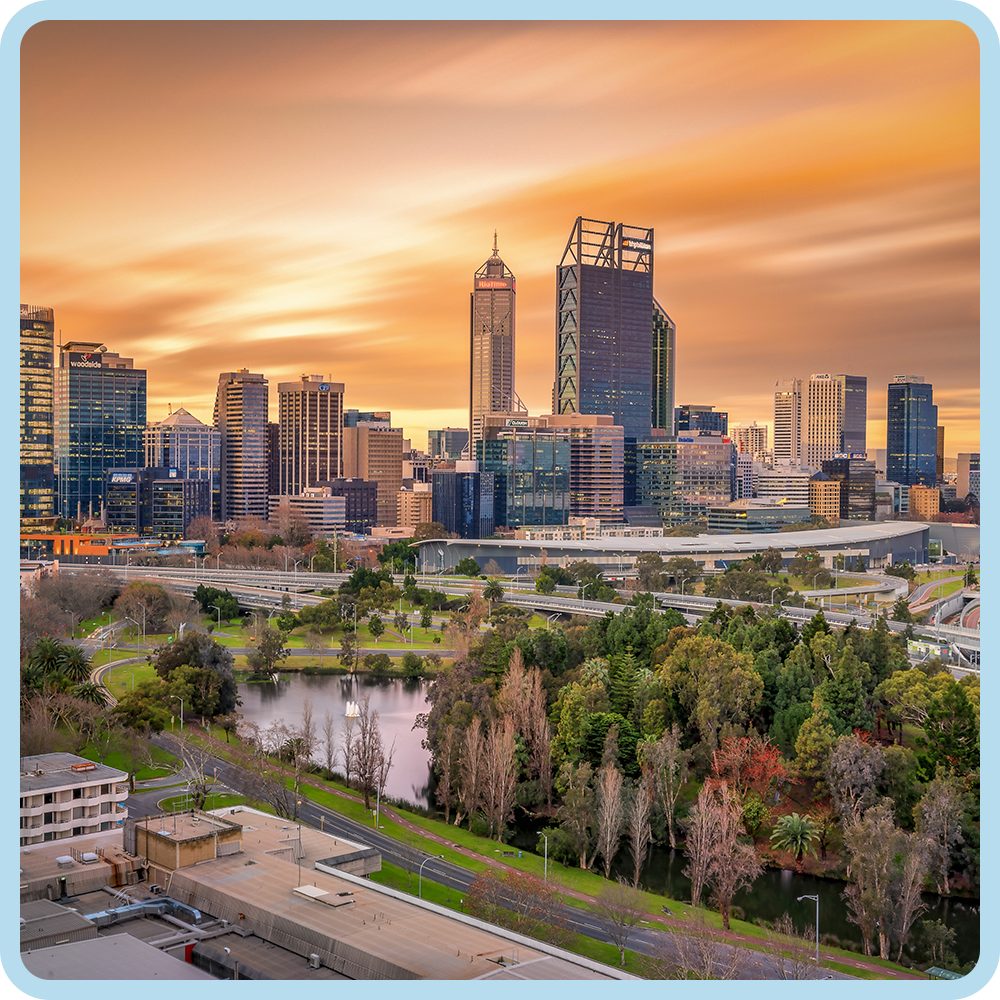
![City skyline at sunset with tall buildings and a park with trees and water in the foreground.]()
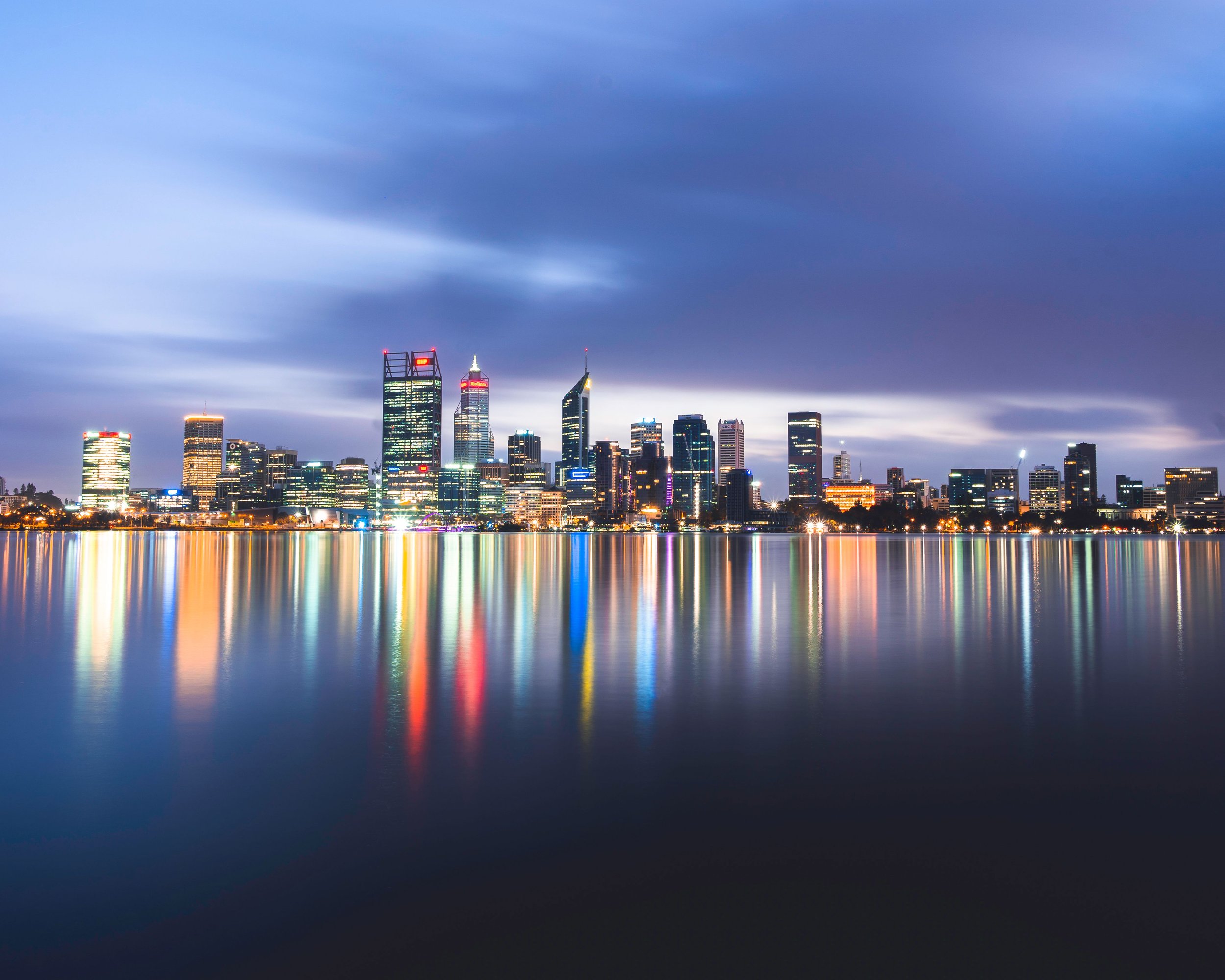
Perth
Set along the Indian Ocean, Perth offers spectacular beaches, award-winning wineries, and stunning sunsets. It’s also the gateway to some of Australia’s most extraordinary natural landscapes.
-
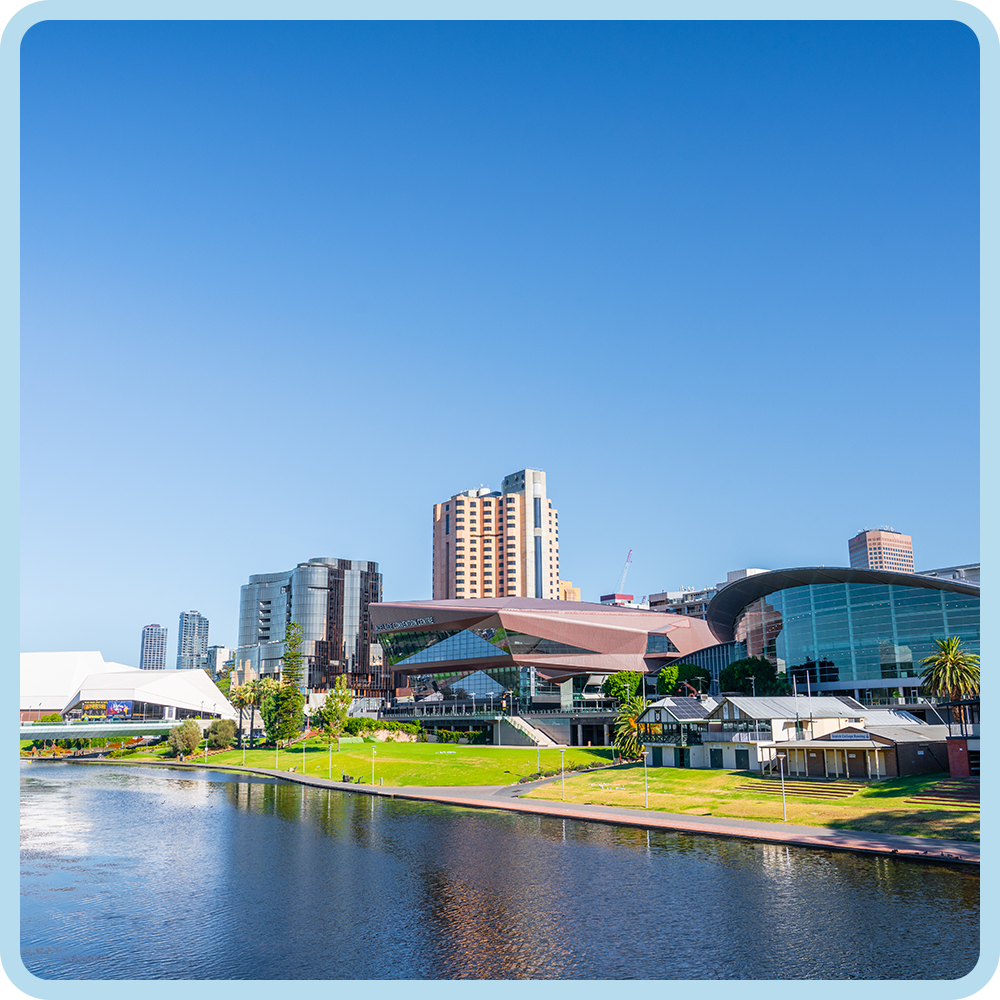
![City skyline with modern skyscrapers and waterfront park under clear blue sky.]()
Adelaide
Elegant yet understated, Adelaide is surrounded by renowned wine regions, beautiful coastlines, and some of Australia’s finest culinary experiences. It’s a favorite for travelers who enjoy slowing down and savoring the journey.
-
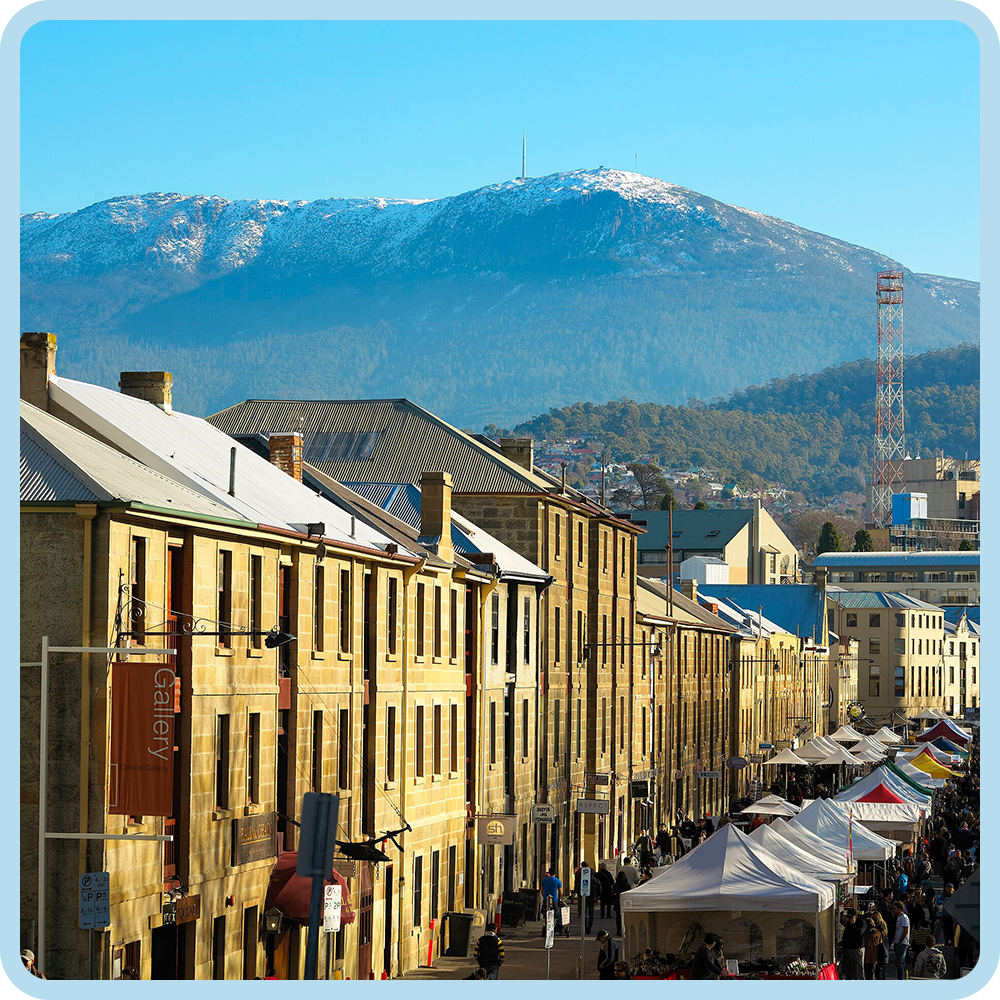
![City street with market tents and historic buildings, mountain with snow in the background.]()
Hobart
Nestled between the Derwent River and kunanyi / Mount Wellington, Hobart combines historic charm, contemporary art, fresh local cuisine, and easy access to Tasmania’s remarkable wilderness.
-
![Aerial view of a cityscape with modern high-rise buildings, a park with lush green trees, and a body of water in the background under a partly cloudy sky.]()
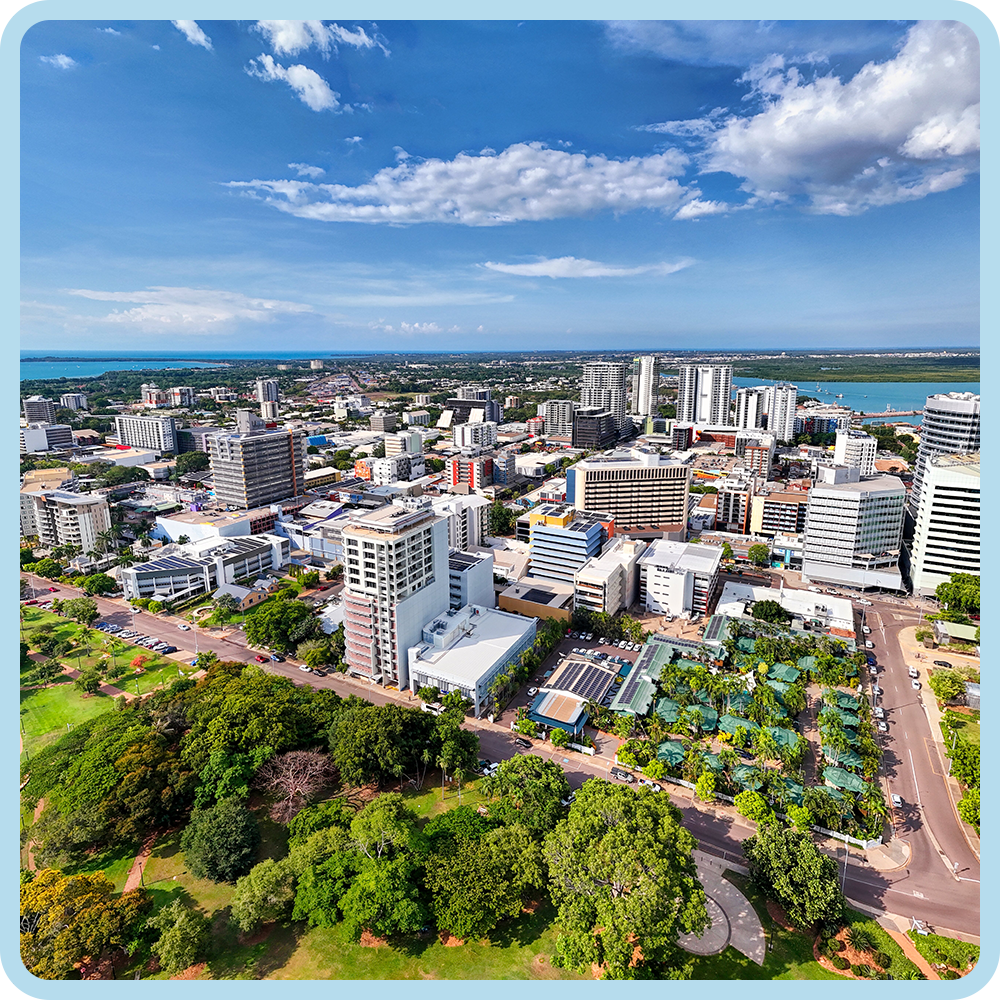
Darwin
Australia’s tropical northern capital offers vibrant markets, spectacular sunsets, and a multicultural atmosphere. It’s the ideal gateway to Kakadu National Park, Litchfield National Park, and unforgettable Aboriginal cultural experiences.
-
![Front view of the Parliament House in Canberra, Australia with a clear blue sky, featuring white modern architecture and a flagpole with the Australian flag.]()
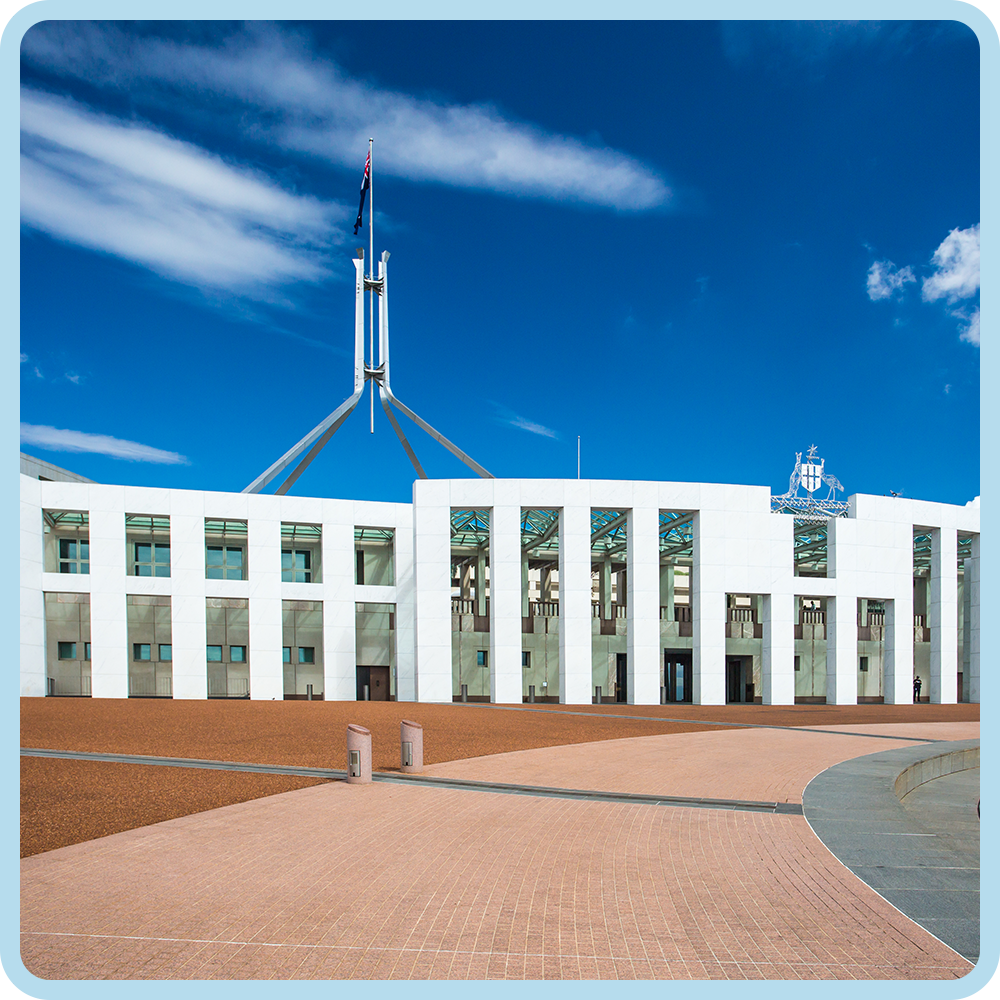
Canberra
More than Australia’s political capital, Canberra surprises visitors with outstanding museums, lakeside parks, acclaimed restaurants, and a thriving arts and wine scene that rewards those who venture beyond the obvious.
Traveling Well in Australia
Australia is a destination of extraordinary diversity. One trip might include world-class cities, tropical islands, ancient rainforests, award-winning wine regions, Aboriginal cultural experiences, and the vast landscapes of the Outback. Few countries offer such a remarkable variety of experiences within a single journey.
Because Australia is nearly the size of the continental United States, traveling well is less about seeing everything and more about choosing the regions that best match your interests. Distances between destinations can be significant, climates vary dramatically from north to south, and every region rewards travelers who slow down and spend time exploring rather than rushing from place to place.
Thoughtful planning transforms Australia from a great vacation into an unforgettable one.
-
Australia is widely regarded as one of the world’s most welcoming destinations for LGBTQ+ travelers. Same-sex marriage has been legal nationwide since 2017, anti-discrimination protections exist across much of the country, and major cities celebrate vibrant and visible LGBTQ+ communities.
Sydney is home to one of the world’s largest Pride celebrations, while Melbourne, Brisbane, Perth, Adelaide, Hobart, and Canberra all offer inclusive neighborhoods, welcoming accommodations, and thriving LGBTQ+ communities. Hotels, cruise lines, tour operators, and luxury lodges are well accustomed to serving diverse international travelers.
In regional communities and remote areas, visitors may find a quieter pace of life, but LGBTQ+ travelers generally experience Australia as safe, welcoming, and inclusive.
For most visitors, Australia offers an easy and comfortable travel experience regardless of sexual orientation or gender identity.
Legal Considerations
Australia recognizes same-sex marriage nationwide and provides strong legal protections against discrimination in employment, housing, and public accommodations.
Visitors should expect equal access to hotels, transportation, restaurants, healthcare, and tourism services throughout the country.
Legal Risk: 🟢 Low
Australia is considered one of the most LGBTQ+-friendly destinations in the Asia-Pacific region.
Community & Pride
Sydney hosts the internationally celebrated Sydney Gay and Lesbian Mardi Gras each year, attracting visitors from around the globe.
Melbourne, Brisbane, Perth, Adelaide, Hobart, and Canberra each have active LGBTQ+ communities, annual Pride celebrations, festivals, nightlife, and community organizations.
Throughout Australia’s tourism industry, inclusive hospitality is the norm, particularly in destinations popular with international visitors.
-
Australia continues to improve accessibility throughout its tourism infrastructure. Major cities, airports, museums, public transportation, newer hotels, and many attractions provide excellent accessibility for travelers with mobility considerations.
Natural attractions can present greater challenges. Beaches, national parks, reef excursions, remote lodges, and Outback destinations may involve uneven terrain, stairs, boats, or limited infrastructure. Accessible accommodations outside major cities may also be more limited.
Advance planning is highly recommended when traveling beyond Australia’s metropolitan areas.
-
Australia is an exceptional destination for families of all ages.
Children can meet native wildlife, snorkel shallow coral reefs, explore beaches, discover interactive museums, visit zoos and aquariums, ride scenic railways, learn about Aboriginal culture, and enjoy outdoor adventures year-round.
Because distances between destinations can be substantial, families often enjoy a slower itinerary with fewer hotel changes and several nights in each location.
-
Australia is one of the easiest long-haul destinations for solo travelers. English is spoken nationwide, public transportation is reliable in major cities, and tourism infrastructure is well developed.
Solo travelers often enjoy food tours, guided reef excursions, wine tastings, wildlife experiences, small-group day tours, and coastal walks. Sydney, Melbourne, Brisbane, Cairns, Hobart, and Perth are particularly welcoming destinations for independent exploration.
Standard travel precautions remain appropriate, particularly in nightlife districts and remote wilderness areas.
-
Australia is known for its friendly, informal culture, but respect remains highly valued.
Aboriginal and Torres Strait Islander cultures are central to Australia’s identity and represent the world’s oldest continuing cultures. When visiting cultural sites or participating in Indigenous experiences, approach them with curiosity, humility, and respect.
Follow guidance from local Aboriginal guides, respect sacred places where photography may be restricted, remain on designated paths, and recognize that some locations have deep cultural significance beyond their natural beauty.
Australians also place a strong emphasis on protecting their natural environment. Respect wildlife, stay on marked trails, and follow park regulations when visiting beaches, reefs, rainforests, and national parks.
-
Australia is considered one of the safest destinations in the world, with excellent healthcare and modern infrastructure.
Most visitor concerns involve sun exposure, swimming safety, wildlife awareness, and the vast distances between destinations.
The Australian sun can be extremely intense. Sunscreen, sunglasses, hats, and hydration are essential throughout the year.
Always swim between the red and yellow flags on patrolled beaches, follow lifeguard instructions, and pay attention to local warnings regarding marine life or weather conditions.
Travel insurance with comprehensive medical coverage, trip interruption protection, and rental vehicle coverage is strongly recommended.
Preparing for Australia
Australia is an easy country to explore, but a little planning goes a long way. Before you travel, make sure your passport meets entry requirements and apply for an Electronic Travel Authority (ETA) or any required visa well in advance. Comprehensive travel insurance is strongly recommended, and it's wise to book domestic flights, luxury lodges, reef cruises, and other popular experiences early, especially during Australian school holidays.
Because Australia is much larger than many first-time visitors expect, plan realistic travel distances and allow extra time when connecting between regions or when traveling to remote destinations. Pack lightweight clothing for warm days, a light layer for cooler evenings in southern Australia, comfortable walking shoes, sun protection, and a reusable water bottle.
While you're there, stay hydrated, wear sunscreen daily, and swim only at patrolled beaches. Observe wildlife from a respectful distance and consider joining Aboriginal and Torres Strait Islander-guided experiences for a deeper understanding of Australia's living cultures. Most importantly, embrace the differences among regions and resist the temptation to see the entire country in a single trip. Australia rewards travelers who slow down and explore fewer places more deeply. If your schedule allows, pairing Australia with New Zealand or a South Pacific escape can create an unforgettable journey through Oceania.
Ed’s Tips
Plan at least 12 to 14 days if you’re visiting multiple regions. Two to three weeks allows for a far more rewarding experience.
Choose three or four destinations rather than trying to see the entire country.
Sydney and Melbourne complement each other beautifully and deserve several nights each.
Consider adding Tasmania for incredible food, wine, wildlife, and natural beauty.
Visit the Great Barrier Reef from Port Douglas if your priority is snorkeling and luxury resorts.
Include an Aboriginal cultural experience—it’s often one of the most meaningful parts of an Australian journey.
Australia pairs exceptionally well with New Zealand, either as a land itinerary or an Australia–New Zealand cruise.
If you’ve already visited Australia’s east coast, consider Western Australia or an expedition cruise through the Kimberley for a completely different perspective.
Perth, Western Australia
Aboriginal & Torres Strait Islander Culture
One of Australia’s greatest treasures is its Aboriginal and Torres Strait Islander cultures, which represent the oldest continuous living cultures on Earth, with histories stretching back more than 65,000 years. These rich traditions are deeply connected to the land, sea, language, art, music, and storytelling.
Across Australia, travelers can experience Indigenous culture through guided walks, art galleries, cultural centers, wildlife experiences, and conversations with Aboriginal and Torres Strait Islander guides. These experiences often become some of the most meaningful memories of an Australian journey.
Approaching these experiences with curiosity, humility, and respect offers a deeper understanding of Australia’s past, present, and future.
-
Australia is home to hundreds of Aboriginal and Torres Strait Islander nations, each with its own language, traditions, stories, and connection to Country.
Rather than one single culture, visitors will discover remarkable diversity across the continent, from the deserts of the Red Centre to the tropical islands of the Torres Strait.
-
Some of Australia’s most memorable cultural experiences include:
Guided walks with Aboriginal cultural guides
Sunrise or sunset experiences at Uluru
Traditional storytelling and Dreaming experiences
Indigenous art galleries and cultural centers
Bush food and native ingredient tastings
Wildlife experiences through an Indigenous perspective
Rock art sites dating back thousands of years
Cultural cruises and coastal experiences
-
Visitors are encouraged to approach Indigenous experiences with respect and an open mind.
Follow the guidance of Aboriginal and Torres Strait Islander guides, remain on designated paths at cultural sites, ask permission before photographing people, and understand that some sacred locations or ceremonies may not permit photography.
Listening and learning are among the most meaningful ways to experience Australia’s First Nations cultures.
-
Aboriginal and Torres Strait Islander peoples continue to shape modern Australia through art, language, conservation, cuisine, music, and storytelling.
Experiencing Indigenous culture adds depth and perspective to an Australian journey, transforming a sightseeing vacation into a richer understanding of one of the world’s oldest living civilizations.

Ed’s Note
Some of my favorite travel experiences aren’t just about seeing a place; they’re about understanding it. Spending time with Aboriginal and Torres Strait Islander guides offers insights that no guidebook can provide. Their connection to Country, history, and storytelling has shaped these landscapes for more than 65,000 years, and taking time to experience that perspective can become one of the most memorable parts of any Australian adventure.
Cruise Australia & Beyond
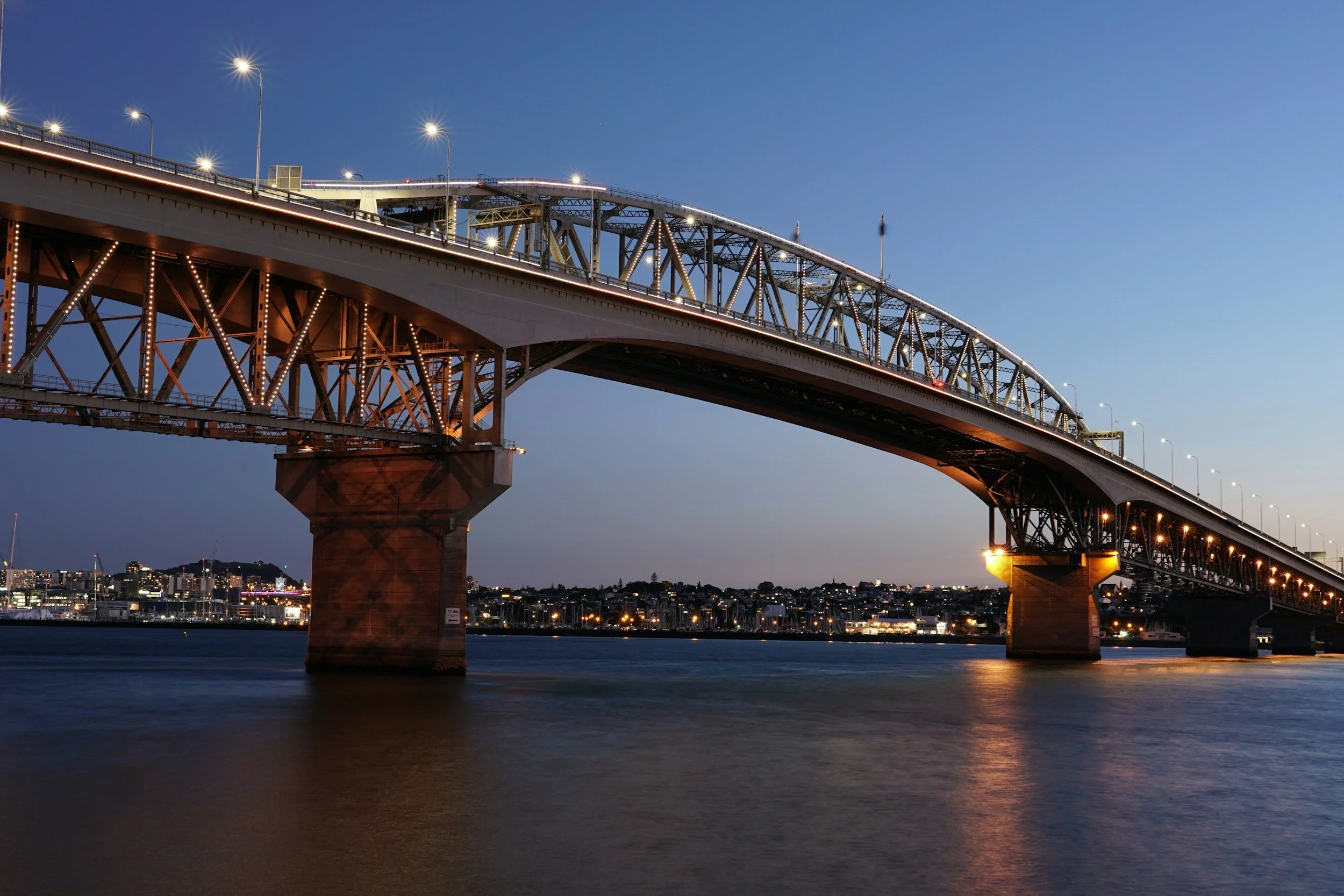
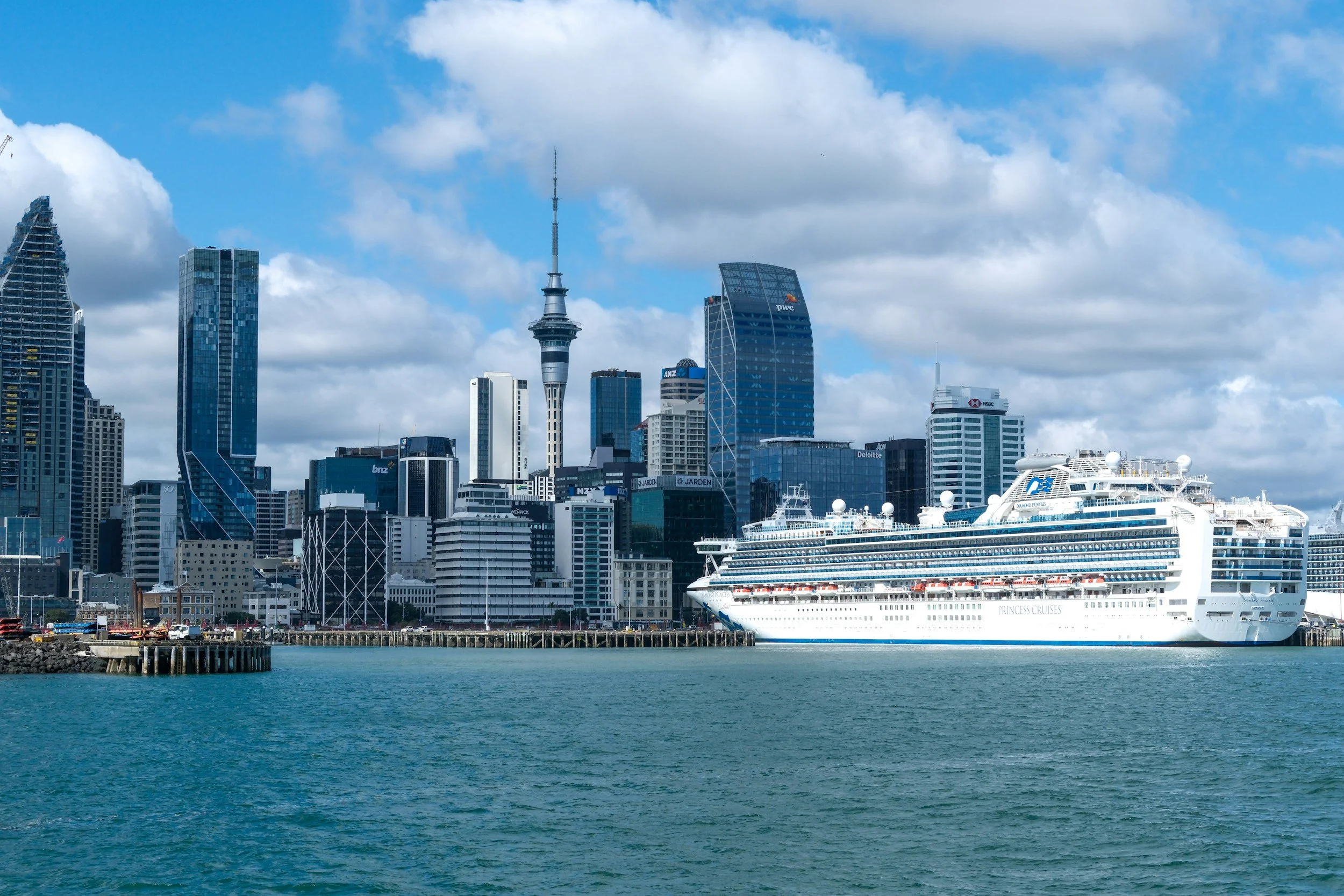
Australia is one of the great cruising hubs of the Southern Hemisphere. Voyages often begin or end in Sydney, Brisbane, Melbourne, Perth, or Auckland, making it easy to pair Australia with New Zealand, the South Pacific, or a longer grand voyage.
Cruising is also one of the best ways to experience Australia’s scale. From tropical Queensland and the Great Barrier Reef to Tasmania, Western Australia, and remote expedition routes through the Kimberley, the right itinerary can reveal parts of the country that are difficult to reach by land.
Popular Cruise Styles
Australia & New Zealand
Iconic cities, dramatic coastlines, fjords, wine regions, and two bucket-list countries in one journey.
South Pacific Itineraries
Pair Australia with Fiji, Vanuatu, New Caledonia, French Polynesia, or other island escapes.
Circumnavigation of Australia
A deeper, longer voyage showcasing the country’s enormous variety, from reefs and beaches to wine regions and wild coastlines.
Kimberley Expedition Cruises
Small-ship adventures through remote waterfalls, sandstone cliffs, Aboriginal rock art, and wildlife-rich waterways.
Repositioning & Grand Voyages
Longer sailings between North America, Asia, Australia, New Zealand, and the South Pacific—often with excellent value for flexible travelers.
Popular Ports of Call
Sydney – Australia’s most iconic cruise port, where ships sail beneath the Harbour Bridge and past the Sydney Opera House. Many Australia, New Zealand, and world cruises begin or end here.
Brisbane – Gateway to Queensland’s beaches, Moreton Bay, and the Sunshine and Gold Coasts. A common embarkation port for South Pacific itineraries.
Melbourne – Known for its food, arts, and café culture, Melbourne is a popular stop on southern Australia and Tasmania cruises.
Cairns – The gateway to the Great Barrier Reef and the Daintree Rainforest, offering exceptional snorkeling, diving, and nature experiences.
Darwin – Australia’s tropical northern capital serves as the jumping-off point for Kakadu National Park, Aboriginal cultural experiences, and Kimberley expedition cruises.
Hobart – Tasmania’s charming waterfront capital combines history, exceptional food, and access to one of Australia’s most beautiful island states.
Perth (Fremantle) – The historic port of Fremantle provides access to Perth, Rottnest Island, and Western Australia’s stunning coastline.
Things to Know
Australia’s cruise season generally runs from October through April, when the Southern Hemisphere enjoys spring, summer, and early autumn. Tropical regions in the north experience a wet season during part of this period, while southern Australia enjoys warm, pleasant weather.
Because Australia is so large, sea days are often an important part of the experience. Rather than seeing them as “days without ports,” many travelers appreciate the opportunity to relax, enjoy the ship, and fully embrace the rhythm of the voyage.
Expedition cruises through the Kimberley operate on a seasonal basis and are highly dependent on tides and weather conditions. These sailings typically take place aboard smaller ships and focus on remote waterfalls, dramatic gorges, wildlife, and Aboriginal rock art that are inaccessible to larger vessels.
Ed’s Note
One of my favorite things about cruising Australia is how easily it pairs with other incredible destinations. Some travelers combine Sydney with New Zealand’s fjords, while others venture into the South Pacific or choose an expedition cruise through the Kimberley. If time allows, I often recommend adding a few nights on land before or after your cruise. Exploring Sydney, Melbourne, or Cairns at a relaxed pace adds another dimension to the journey and lets you experience Australia beyond the ports of call.
Where to Stay
-
Greece offers some of Europe’s finest luxury accommodations, ranging from cliffside suites overlooking volcanic calderas to secluded beachfront resorts and historic city hotels.
Expect exceptional hospitality, private pools, world-class spas, gourmet dining, and unforgettable views.
Recommended areas include:
Athens Riviera
Santorini (Oia and Imerovigli)
Elounda, Crete
Costa Navarino
Mykonos
Porto Heli
-
Boutique hotels thrive throughout Greece, particularly within restored historic buildings and family-owned properties.
Many offer fewer than 30 rooms, personalized service, locally inspired design, and excellent dining.
Excellent destinations include:
Nafplio
Chania
Paros
Naxos
Rhodes Old Town
Athens (Plaka and Koukaki)
-
For couples seeking tranquility, Greece offers numerous adults-only properties focused on romance and relaxation.
Popular choices feature:
Infinity pools
Spa experiences
Private plunge pools
Fine dining
Sunset terraces
Santorini, Mykonos, and Crete offer the greatest concentration of adults-only accommodations.
-
While Greece isn’t traditionally known for all-inclusive resorts as the Caribbean is, several exceptional options exist, particularly in Crete, Rhodes, Kos, and Corfu.
Many upscale all-inclusive resorts emphasize local cuisine, wellness, family activities, and beachfront settings rather than a party atmosphere.
-
Families will find excellent accommodations throughout Greece.
Crete, Rhodes, Corfu, Naxos, and Costa Navarino are especially well suited to family travel thanks to spacious resorts, calm beaches, children’s activities, and easy transportation.
Ed’s Note
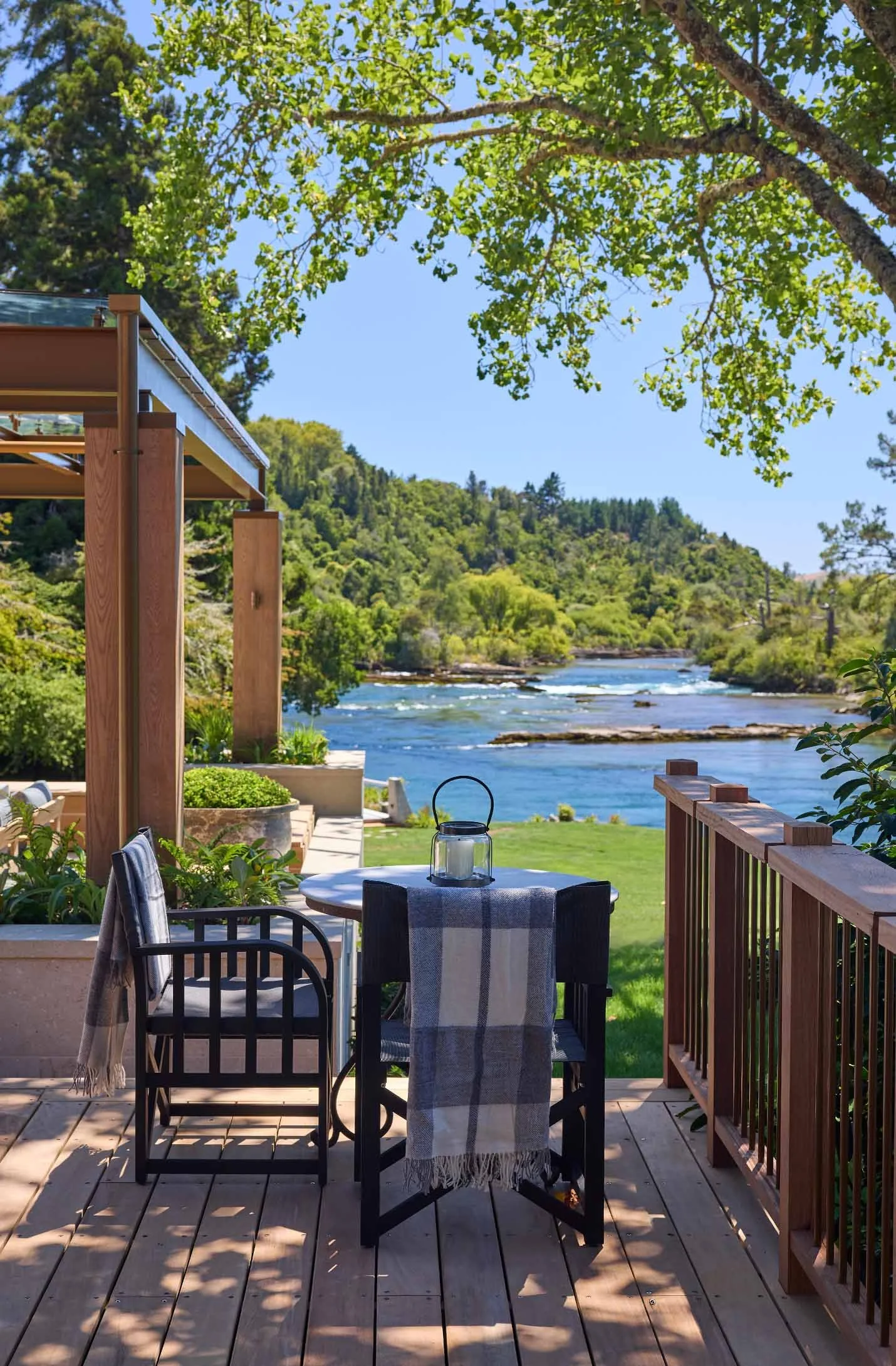
Australia does luxury beautifully because it rarely feels forced. The best experiences are polished, but still relaxed. A luxury trip here might mean a five-star hotel one night, a remote lodge the next, and a private guide helping you understand a landscape that has been meaningful for thousands of years. That mix is what makes Australia so special.
Luxury Travel Highlights
Luxury in Australia feels effortless, personal, and deeply connected to place. It is not just about beautiful hotels, though Australia certainly has those. It is waking up beside Sydney Harbour, flying over the Great Barrier Reef, dining under the stars near Uluru, sailing through the Kimberley, or retreating to a lodge where the landscape is the real showstopper.
Australia’s best luxury experiences combine exceptional service with access: private guides, remarkable wildlife encounters, celebrated restaurants, remote wilderness lodges, luxury rail journeys, and properties that turn the destination itself into the main event.
Stay Somewhere Extraordinary
Australia is home to some of the world’s most distinctive luxury stays, from city icons to remote wilderness retreats.
Highlights include:
• Waterfront hotels overlooking Sydney Harbour
• Luxury lodges near Uluru and the Red Centre
• Island resorts along the Great Barrier Reef
• Vineyard retreats in the Barossa Valley and Margaret River
• Wilderness lodges in Tasmania and the Kimberley
• Boutique design hotels in Melbourne, Hobart, and Perth
Signature Luxury Experiences
Some Australian experiences are worth planning the entire trip around.
• Private Sydney Harbour cruise
• Scenic flight over the Great Barrier Reef
• Luxury rail journey aboard The Ghan or Indian Pacific
• Guided Aboriginal cultural experience
• Private wine tasting in the Barossa Valley or Yarra Valley
• Expedition cruise through the Kimberley
• Wildlife encounters on Kangaroo Island
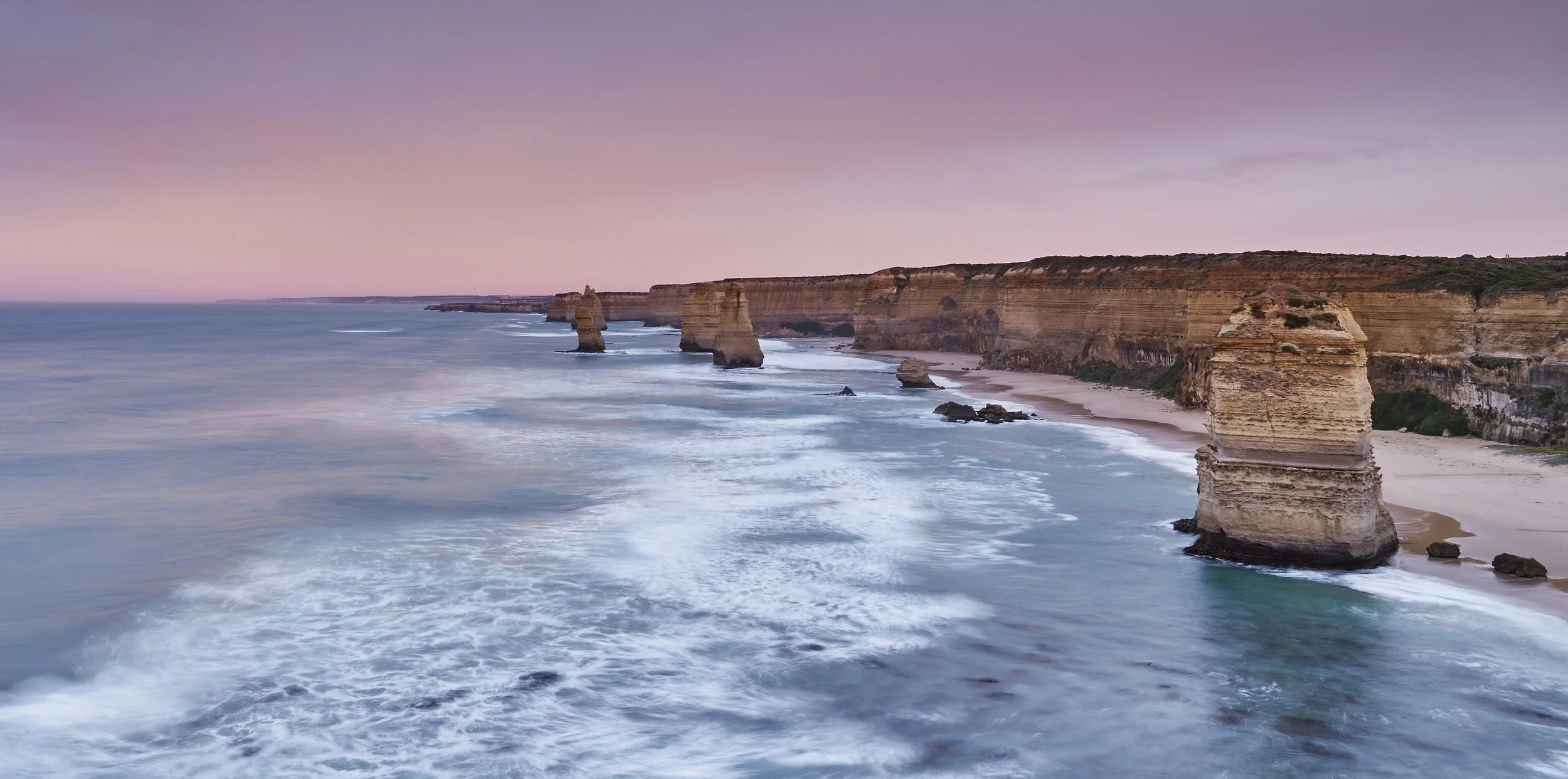
• Helicopter experience over Uluru or the Twelve Apostles
• Fine dining in Sydney, Melbourne, Hobart, or Adelaide
Featured Luxury Stays
-
Kangaroo Island, South Australia
Perched atop dramatic coastal cliffs, Southern Ocean Lodge is one of Australia’s most celebrated luxury retreats. Expect breathtaking ocean views, remarkable wildlife, exceptional dining, and effortless access to one of the country’s most pristine natural environments.
Perfect for:
• Honeymoons
• Wildlife encounters
• Luxury escapes
• Food and wine lovers -
Uluru, Northern Territory
With uninterrupted views of Uluru from luxury tented pavilions, Longitude 131° offers one of Australia’s most iconic stays. Guided experiences showcase the Red Centre’s extraordinary landscapes and the rich culture of the Anangu people.
Perfect for:
• Bucket-list adventures
• Aboriginal cultural experiences
• Milestone celebrations
• Desert luxury -
Tasmania
Overlooking Great Oyster Bay and the pink granite peaks of Freycinet National Park, Saffire blends contemporary design, outstanding cuisine, and immersive wildlife experiences into one unforgettable stay.
Perfect for:
• Couples
• Food and wine enthusiasts
• Nature lovers
• Luxury touring -
Hamilton Island, Queensland
Set within the Whitsundays, qualia is an adults-only sanctuary overlooking the Coral Sea. Spacious pavilions, exceptional service, and easy access to the Great Barrier Reef make it one of Australia’s premier island resorts.
Perfect for:
• Honeymoons
• Anniversary trips
• Reef adventures
• Island relaxation -
Lord Howe Island
Home to only a few hundred visitors at a time, Lord Howe Island offers an exclusive escape unlike anywhere else in Australia. Capella Lodge pairs barefoot luxury with spectacular scenery and abundant marine life.
Perfect for:
• Nature enthusiasts
• Luxury island escapes
• Snorkeling
• Romantic getaways -
Daintree Rainforest, Queensland
Hidden beside the Mossman River, Silky Oaks Lodge immerses guests in the world’s oldest tropical rainforest while providing refined accommodations, exceptional dining, and effortless access to both the Daintree and the Great Barrier Reef.
Perfect for:
• Rainforest experiences
• Wellness retreats
• Couples
• Luxury nature escapes -
Bouddi National Park, New South Wales
Less than two hours from Sydney, this intimate all-inclusive retreat combines luxury suites, gourmet dining, and personalized service with the tranquility of Australia’s spectacular Central Coast.
Perfect for:
• Romantic escapes
• Food lovers
• Relaxation
• Short luxury stays
Best Time to Visit
Australia is a year-round destination, but the best time to visit depends on where you’re going. Because the country is so vast, Sydney, the Great Barrier Reef, Uluru, Tasmania, and the Kimberley can each have very different ideal travel seasons.
For first-time visitors planning to combine several of Australia’s highlights, I often recommend April through May or September through October. These shoulder seasons offer an excellent balance of comfortable weather, fewer crowds, and the flexibility to experience multiple regions without one destination being at its seasonal extreme. As with any Australian itinerary, thoughtful planning ensures you experience each region at its very best.
-
One of the best overall times to visit Australia. Expect pleasant weather, blooming landscapes, comfortable city touring, and excellent conditions for wine regions, coastal drives, and wildlife experiences.
Perfect for: Sydney, Melbourne, Adelaide, Perth, wine country, Great Ocean Road
-
Ideal for beaches, city stays, festivals, and Tasmania, though popular destinations can be busy. Northern Australia is hot and humid, with tropical rains in many areas.
Perfect for: Sydney, Melbourne, Hobart, Tasmania, coastal escapes
-
A beautiful shoulder season with mild weather, fewer crowds, harvest season in wine regions, and excellent conditions across much of southern Australia.
Perfect for: Barossa Valley, Yarra Valley, Margaret River, Melbourne, Adelaide, Sydney
-
Winter: June–August
The best time for the Red Centre, Northern Territory, tropical Queensland, and the Kimberley. Southern cities are cooler, but still rewarding for food, wine, museums, and culture.
Perfect for: Uluru, Darwin, Kakadu, Kimberley expedition cruises, Great Barrier Reef
Seasonal Highlights
Spring (September–November)
Wildflowers, jacaranda blooms, whale watching
Summer (December–February)
Beaches, sailing, island escapes
Autumn (March–May)
Wine harvest, Outback adventures, food festivals
Winter (June–August)
Reef snorkeling, desert sunsets, tropical national parks
Getting There
Australia may seem far away, but getting there is easier than many travelers expect. Nonstop flights from North America continue to expand, and excellent connections through Asia, the South Pacific, and the Middle East make Australia surprisingly accessible. Because of its size, most itineraries also include one or more domestic flights, allowing you to comfortably experience multiple regions.
-
Australia’s major international gateways include Sydney, Melbourne, Brisbane, Perth, and Cairns.
Because Australia is nearly the size of the continental United States, domestic flights are often the most efficient way to travel between regions. Flying allows travelers to comfortably combine destinations like Sydney, Uluru, Cairns, Melbourne, and Perth within a single itinerary.
-
Because Australia is nearly the size of the continental United States, flying is often the most practical way to travel between regions.
Domestic airlines offer frequent service between major cities, while rental cars are ideal for exploring wine regions, coastal drives, Tasmania, and national parks.
Popular transportation options include:
• Domestic flights for long-distance travel
• Rental cars for scenic road trips
• Luxury rail journeys aboard The Ghan and Indian Pacific
• Ferries to Tasmania, Kangaroo Island, and the Whitsundays
• Expedition vessels for the Kimberley and remote coastlines -
Ferries connect several of Australia’s most popular destinations.
Spirit of Tasmania operates between Melbourne and Devonport, offering both passenger and vehicle service to Tasmania. Shorter ferry routes provide access to destinations such as Kangaroo Island, Rottnest Island, Manly from Sydney Harbour, and many of the Whitsunday Islands.
For some destinations, traveling by ferry is as memorable as the destination itself.
-
A self-drive itinerary is one of the best ways to experience Australia at your own pace.
Australia drives on the left-hand side of the road, and roads are generally excellent throughout populated areas. Rental cars are ideal for exploring the Great Ocean Road, Tasmania, Margaret River, Barossa Valley, the Blue Mountains, and many national parks.
Because distances can be significant, it’s important to plan realistic driving days and avoid underestimating travel times.
-
Australia is home to some of the world’s most iconic rail journeys.
The Ghan travels through the heart of the continent between Adelaide and Darwin, while the Indian Pacific crosses the country from Sydney to Perth. These luxury train journeys transform transportation into one of the highlights of the vacation.
Other scenic rail experiences include the Spirit of Queensland, Great Southern, and The Overland.
-
Australia is one of the Southern Hemisphere’s premier cruise destinations.
Major cruise ports include Sydney, Brisbane, Melbourne, Hobart, Cairns, Darwin, and Fremantle (Perth). Itineraries range from Australia and New Zealand voyages to South Pacific cruises, expedition sailings through the Kimberley, and full circumnavigations of Australia.
Many travelers also combine a land journey with a cruise, allowing them to experience both Australia’s vibrant cities and its spectacular coastline.
Good to Know Before You Go
Passport & Entry Requirements
Ensure your passport is valid for the duration of your stay and review Australia’s current entry requirements before departure. Most visitors from eligible countries, including the United States, Canada, and the United Kingdom, must obtain an Electronic Travel Authority (ETA) or appropriate visa before arriving.
Currency
Australian Dollar (AUD)
Credit and debit cards are widely accepted throughout Australia, including contactless payment. Cash is rarely needed in major cities, though it’s helpful to carry a small amount when visiting remote communities or local markets.
Language
Australia has no official language, but English is the national language and is spoken throughout the country.
You’ll also encounter hundreds of Aboriginal and Torres Strait Islander languages and place names, many of which reflect Australia’s rich Indigenous heritage.
Time Zones
Australia spans three primary time zones:
Australian Eastern Standard Time (AEST) – UTC +10
(New South Wales, Victoria, Queensland, Tasmania, ACT)
Australian Central Standard Time (ACST) – UTC +9:30
(South Australia, Northern Territory)
Australian Western Standard Time (AWST) – UTC +8
(Western Australia)
Most states observe daylight saving time from approximately October through April, with the exception of Queensland, Western Australia, and the Northern Territory.
Electricity
Type I plugs
230–240 volts
Travelers from North America will need both a plug adapter and, for some electronics, a voltage converter.
Driving
Australia drives on the left-hand side of the road.
Road conditions are generally excellent, particularly around major cities. However, distances between destinations can be much greater than visitors expect. In remote regions, fuel stations and services may be widely spaced, so careful planning is essential. Wildlife is most active at dawn and dusk, making nighttime driving in rural areas less advisable.
Weather
Australia’s climate varies dramatically by region and season.
Expect tropical conditions in the north, Mediterranean climates in the south, alpine weather in the mountains, and arid conditions throughout much of the Outback. Pack for the regions you’ll be visiting, and don’t underestimate the strength of the Australian sun.
Biosecurity
Australia maintains some of the world’s strictest biosecurity regulations.
Visitors must declare food, plant material, outdoor equipment, and certain animal products upon arrival. Hiking boots, camping gear, and sporting equipment should be cleaned before travel to help protect Australia’s unique ecosystems and agriculture.
Tipping
Tipping is appreciated but not expected.
Restaurants, hotels, and tour operators generally do not rely on gratuities, though many visitors choose to tip for exceptional service.
Connectivity
Wi-Fi is widely available in hotels, airports, cafés, and most public spaces.
If you’re planning a road trip or visiting remote regions, consider purchasing an eSIM or local SIM card, as mobile coverage can become limited outside major population centers.
Health & Safety
Australia is considered one of the world’s safest destinations for travelers.
Tap water is safe to drink throughout the country, healthcare is excellent, and emergency services are highly reliable. The most common visitor concerns involve sun exposure, swimming safety, and the vast distances between destinations. Comprehensive travel insurance with medical coverage is strongly recommended, particularly if you’ll be renting a car, cruising, or participating in adventure activities.
Ed’s Tip
One of my favorite ways to explore Australia is with an open-jaw itinerary. Fly into one city, such as Sydney, and depart from another, like Melbourne, Cairns, or Perth. This minimizes backtracking, gives you more time to explore, and creates a much more relaxed journey. If your schedule allows, Australia also pairs beautifully with New Zealand or a South Pacific cruise for the ultimate Southern Hemisphere adventure.
The Nifty Ducks Take
🦆🦆🦆🦆🦆
5 out of 5 Ducks
Why It Earns Five Ducks
Australia is one of the few destinations that truly has it all. Iconic cities, ancient Aboriginal cultures, extraordinary wildlife, world-renowned wine regions, luxury lodges, pristine beaches, and unforgettable cruising all come together to create an experience that’s difficult to match anywhere else in the world.
Whether you’re exploring Sydney Harbour, watching the sunrise over Uluru, snorkeling the Great Barrier Reef, sipping Shiraz in the Barossa Valley, or cruising through the remote Kimberley, Australia rewards travelers with incredible diversity and experiences that stay with you long after you’ve returned home.
It does require thoughtful planning—the distances are vast, and you’ll never see everything in one trip—but that’s also part of its appeal. Australia isn’t a destination to rush. It’s one to experience, one remarkable region at a time.
Nifty Ducks Verdict
A true bucket-list destination that offers something for nearly every traveler. From luxury escapes and expedition adventures to family vacations, honeymoons, and unforgettable cruises, Australia consistently delivers experiences that exceed expectations—and almost always leaves travelers planning their return before they’ve even unpacked.
Sources & Research
This guide has been prepared using information from official government agencies, tourism organizations, transportation providers, luxury hospitality partners, accessibility resources, and reputable travel publications. Because travel information, entry requirements, and local regulations can change, travelers should always verify the latest guidance before departure.
Government & Official Resources
U.S. Department of State – Travel Advisories
Australian Government Department of Home Affairs (Visas & Entry Requirements)
Smartraveller Australia
Tourism Australia
Parks Australia
Australian Border Force (Biosecurity)
Australian Government Department of Agriculture, Fisheries and Forestry
Accessibility & Inclusive Travel
Accessible Australia
Australian Human Rights Commission
TravAbility
Spinal Life Australia
LGBTQ+ Resources
Equaldex
ILGA World
Sydney Gay and Lesbian Mardi Gras
Pride in Diversity
Australian Human Rights Commission
Aboriginal & Torres Strait Islander Culture
Tourism Australia – Aboriginal Experiences
Discover Aboriginal Experiences
AIATSIS (Australian Institute of Aboriginal and Torres Strait Islander Studies)
Parks Australia – Uluru-Kata Tjuta National Park
Luxury Travel & Hospitality
Luxury Lodges of Australia
MICHELIN Guide Australia
Virtuoso
FORA Travel Preferred Partner Collection
Transportation
Qantas
Virgin Australia
Rex Airlines
Journey Beyond Rail Expeditions
Spirit of Tasmania
Cruise Resources
Cruise Lines International Association (CLIA) Australasia
Tourism Australia – Cruise Information
Australian Cruise Association
Additional Research
This guide also incorporates information from state tourism organizations, national parks, destination management companies, regional wine associations, Aboriginal tourism operators, luxury hotel partners, cruise lines, and reputable travel publications to ensure recommendations remain current, balanced, and traveler-focused.
Last Reviewed: July 2026
While every effort is made to keep this guide current, entry requirements, transportation schedules, accessibility information, weather conditions, and local regulations may change. Travelers should confirm important details before departure.